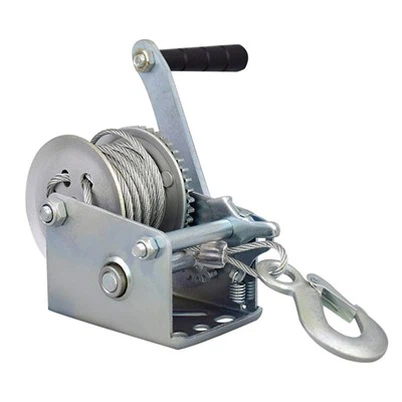
How often should I maintain a Hand Winch Regular?
Leave a message

Hey there! I'm a supplier of hand winches, and I often get asked, "How often should I maintain a hand winch regularly?" Well, let's dive right into this topic and break it down for you.
First off, let's understand why regular maintenance is so crucial. A hand winch is a workhorse. Whether you're using it for boating, cargo control, or any other heavy - lifting task, it undergoes a lot of stress. Just like a car that needs its oil changed and tires rotated, a hand winch needs some TLC to keep operating smoothly and safely.
Factors Affecting Maintenance Frequency
A bunch of factors decide how often you should maintain your hand winch.
- Usage Frequency: If you're using your hand winch every day for industrial - level tasks, you'll obviously need to maintain it more often than someone who only uses it once in a blue moon for a weekend boating trip. Frequent use means more wear and tear on parts like the gears, cables, and handles.
- Operating Conditions: The environment in which you use the winch plays a huge role. If you're using it in a dirty, dusty, or wet environment, it will get dirty and corroded faster. For example, if your hand winch is used near the ocean, the saltwater can cause rapid rusting. On the other hand, a winch used in a clean, dry warehouse will need less frequent maintenance.
- Type of Hand Winch: Different types of hand winches have different maintenance requirements. For instance, the Hand Winch with Hand Brake has a brake mechanism that needs to be checked regularly. The Worm Gear Winch with Loop Ceiling Mounted Winch has a unique gear system that may require specific lubrication intervals. And the Worm Gear Winch Self Locking needs to have its self - locking feature inspected to make sure it's working correctly.
General Maintenance Guidelines
Let's look at some general maintenance schedules based on different usage scenarios:
Light Use
If you use your hand winch occasionally, say a few times a month for light - duty tasks like pulling small objects or adjusting mooring lines on a small boat, you can follow these maintenance steps:
- Monthly Visual Inspection: Take a few minutes to look over the winch. Check for any signs of damage, such as cracks in the frame, fraying in the cable, or loose bolts. A simple visual inspection can catch a lot of potential problems early.
- Quarterly Lubrication: Apply a light coat of lubricant to the moving parts, like the gears and the handle mechanism. This helps reduce friction and keeps the winch operating smoothly. Make sure to use a lubricant that's suitable for the type of winch you have.
Moderate Use
For those who use the hand winch a couple of times a week for medium - duty tasks, like moving moderate - sized cargo in a warehouse, here's what you should do:
- Weekly Visual Inspection: This is a more thorough look. Check not only for obvious damage but also for any signs of abnormal wear. For example, look at how the cable winds onto the drum; if it's not winding evenly, it could be a sign of a problem.
- Monthly Lubrication: A monthly lubrication will help keep the gears and other moving parts well - oiled. Also, check the brake system on winches that have one to make sure it engages and disengages smoothly.
- Quarterly Detailed Inspection: Take the winch apart (if possible) and clean each part. Check the gear teeth for excessive wear, and make sure the bearings are in good condition.
Heavy Use
If your hand winch is in constant use, for example, in a shipyard or a construction site where heavy loads are lifted regularly, the maintenance schedule should be even more frequent:
- Daily Visual Inspection: Before each use, give the winch a quick once - over. Look for any damage or changes from the previous use.
- Weekly Lubrication: Moving parts need to be well - lubricated to prevent overheating and excessive wear. Make sure to clean off any dirt or debris before applying the lubricant.
- Monthly Detailed Inspection: It's important to take the winch apart, clean all parts thoroughly, and check for wear and tear. Replace any parts that show significant damage.
Specific Maintenance Steps
Now, let's talk about some specific maintenance steps for different parts of the hand winch:
Cable
- Inspection: Look for fraying, kinking, or rust on the cable. If you notice any frayed strands, it's a good idea to replace the cable. Kinks can weaken the cable and cause it to break under load.
- Cleaning and Lubrication: Clean the cable with a wire brush to remove dirt and rust. Then, apply a cable lubricant to prevent further corrosion and reduce friction as it moves through the winch.
Gears
- Inspection: Check the gear teeth for signs of wear or chipping. If the gears are too worn, they may not operate correctly, which can lead to the winch slipping or failing.
- Lubrication: Use a high - quality gear lubricant to keep the gears running smoothly. Apply the lubricant evenly to all the gear teeth.
Brake System
- Inspection: Make sure the brake engages and disengages properly. Check for any signs of wear on the brake pads or shoes. If the brake doesn't hold the load securely, it needs to be adjusted or repaired.
Conclusion
In summary, how often you should maintain a hand winch regularly depends on how often you use it, the conditions it operates in, and the type of winch you have. By following the right maintenance schedule and taking proper care of your hand winch, you can extend its lifespan and ensure it operates safely and efficiently.
If you're in the market for a new hand winch or need advice on maintenance for your existing one, don't hesitate to reach out. We're here to help you get the most out of your equipment. Start a conversation with us to discuss your specific needs and explore the wide range of hand winches we offer.


References
- General guidelines for industrial equipment maintenance.
- Manufacturer's instructions for hand winches.