

Zelang Machinery: Your Professional American Type Hand Puller Manufacturer
Taizhou Zelang Machinery Co., Ltd. was established in 2004 and is located in Yuhuan, Taizhou, Zhejiang, Donghai City. Since its establishment, our company has been committed to the design, development, and manufacturing of traction tools and hydraulic tools. The main products include wire tighteners, twisters, hand pullers, hydraulic tool accessories, hoist accessories, agricultural machinery accessories, etc.

Our Advantages
Advanced Production Equipment
Our company is equipped with a 3000KV laser cutting machine, 640 CNC lathe, 160T punch press, vertical drill, broaching machine, and other advanced production and processing equipment to ensure the reliability and advancement of products.
Continuous Product Innovation
Our factory continuously upgrades technology, optimizes design, and actively cooperates with users in product design and production. Currently, we have obtained more than 80 patents.
Professional Technical Guidance
During the product manufacturing process, we will fully cooperate with the arrangements for drawing review, product supervision, inspection and acceptance, etc., so that all work before product delivery is orderly.
24-Hour Service
Our company promises to provide 7×24 hours service after the contract is signed. We will respond within 1 hour after receiving the message, provide solutions to general faults within 8 hours, and solve complex problems within 24 hours.


Introduction to American Type Hand Puller
Cargo control products are essential tools and equipment used in the transportation industry to secure and manage cargo during transit. These products help prevent shifting, damage, and loss of goods.
Advantages of American Type Hand Puller
Portability
Hand pullers are compact and portable tools. They are lightweight and easy to carry, allowing for convenient transportation to different job sites or locations where larger machinery may not be accessible. Their portability makes them ideal for outdoor activities, remote areas, or situations where mobility is necessary.
Versatility
Hand pullers are versatile tools that can be used for a wide range of applications. They can be employed for pulling, lifting, or tensioning tasks, making them suitable for various industries such as automotive, construction, forestry, farming, and more. With different attachments and accessories, hand pullers can be adapted to different types of loads and applications.
Manual Operation
Hand pullers do not require external power sources or complex machinery to operate. They are manually operated tools, typically using a ratchet mechanism, which allows users to apply pulling force by hand. This simplicity of operation makes them accessible to a wide range of users and reduces the need for specialized training or technical knowledge.
Controlled and Incremental Pulling
Hand pullers offer precise control over the amount of pulling force applied. The ratchet mechanism allows for incremental pulling, enabling users to exert force in small increments and adjust the tension as needed. This control is particularly useful when dealing with delicate or sensitive loads that require careful handling.
Safety
Hand pullers are designed with safety features to ensure controlled operation. The ratchet mechanism locks the load in place once tension is applied, preventing unexpected slippage or release. This feature enhances safety during pulling or lifting operations, reducing the risk of accidents, injuries, or damage to the load or surrounding structures.
Cost-Effective
Hand pullers are cost-effective tools compared to larger machinery or powered equipment. They are relatively affordable and do not require ongoing fuel or power expenses. Hand pullers provide a cost-effective solution for tasks that do not require heavy-duty machinery or frequent use.
Application of American Type Hand Puller


Vehicle Recovery
Hand pullers are commonly used in vehicle recovery operations. They can be used to pull a stuck, disabled, or stranded vehicle out of mud, sand, snow, or other difficult terrains where larger vehicles or machinery may have limited access.
Construction and Building
Hand pullers are useful in construction and building projects. They can be utilized for tasks such as lifting and positioning heavy objects, aligning structures, tightening cables or wires, tensioning scaffolding, or securing loads during installation.
Forestry and Logging
Hand pullers find application in forestry and logging operations. They can be used for moving heavy logs, repositioning timber, pulling trees, guiding logs during cutting or processing, or assisting in tasks that require controlled force and maneuverability.
Farming and Agriculture
Hand pullers are handy tools in farming and agriculture. They can be used for pulling out fence posts, tensioning wire fences, assisting in lifting heavy equipment, positioning or moving large agricultural machinery, and other tasks that require controlled pulling or lifting force.
Outdoor Activities
Hand pullers are useful for various outdoor activities. Campers and outdoor enthusiasts may use them for tasks such as setting up tents, securing canopies or tarps, pulling objects out of water, or assisting in off-road vehicle recovery.
Recreational Boating
Hand pullers can be employed in recreational boating for tasks such as raising or lowering boat anchors, pulling boats onto trailers or lifts, adjusting boat positioning, or assisting in docking operations.
Tips for American Type Hand Puller
Before using a hand puller, always perform a thorough inspection to ensure its optimal condition. Check the cable or rope for any signs of fraying, kinks, or damage. Additionally, examine the hooks, attachments, and other components to ensure they are secure and free from defects. If you notice any issues during the inspection, it is vital not to use the hand puller. Instead, have it promptly repaired or replaced by a qualified professional. Regular maintenance and inspections are key to preventing accidents and ensuring the longevity of your hand puller.
Every hand puller has a specified weight capacity that should never be exceeded. Exceeding the weight limit can cause the winch to malfunction or fail, leading to hazardous situations. Always check the manufacturer’s guidelines or the user manual to determine the maximum weight capacity of your hand puller. By adhering to this limit, you can ensure the safe operation of the winch and avoid unnecessary risks.
Proper anchoring is crucial when using a hand puller to prevent instability and potential accidents. Before starting the operation, ensure that the anchor point or structure you’re attaching the winch to is stable and capable of withstanding the force applied during lifting or pulling. Use suitable and robust anchor points that are securely attached to a solid structure, such as a sturdy tree or a heavy-duty mounting bracket. Remember, a stable anchor provides a strong foundation for the hand puller and reduces the risk of unexpected movement or failure.
When operating a hand puller, always prioritise your safety by wearing appropriate personal protective equipment (PPE). PPE may include gloves, safety goggles, and sturdy footwear. Gloves offer hand protection and improve your grip on the winch handle. Safety goggles safeguard your eyes from potential flying debris or rope/cable recoil. Sturdy footwear, preferably with reinforced toe caps, provides added protection for your feet in case of accidental drops or impacts. By wearing the necessary PPE, you can minimise the risk of injury during a hand puller operation.
Familiarise yourself with the correct techniques for operating a hand puller. Use smooth and steady motions when turning the winch handle, avoiding abrupt movements or excessive force. Maintain a firm grip on the handle to ensure control and prevent slippage. If you’re using a heavy-duty hand winch, consider using both hands on the handle to distribute the force evenly. Always maintain clear communication with your team members to coordinate the lifting or pulling process effectively.
Factors to Consider Before Choosing an American Type Hand Puller
Step 1: Determine What Type of Wire is Being Used.
What wire size are you pulling? If you’re pulling aluminum conductor steel reinforced (ACSR) cable you may want to use a different wire grip than if you’re pulling extra-high-strength cable (EHSC).
Step 2: What Size Wire (AWG, MCM or Diameter) are You Using
When pulling wire, it is critical that the wire grips are properly sized to avoid slippage and safely maintain temporary tension until the wire or cable can be permanently terminated.
Step 3: What is the Maximum Required Working Load Limit (WLL)
It is important that you choose the right wire grip for your rated working load capacity. You will not need a wire grip rated for 20,000 lbs. if the maximum working load is 4,500 lbs. However, you must ensure the grip can handle the maximum load you’ll be pulling.
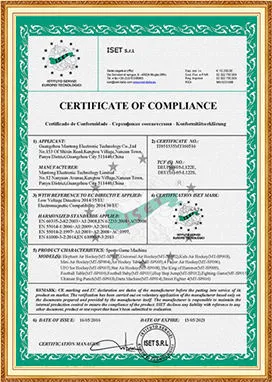
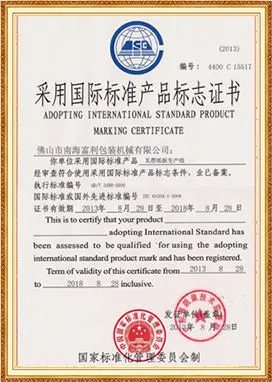
Our Certificate
Our company has advanced technical equipment, rich manufacturing experience, and zero-defect production goals. We have currently obtained multiple certificates and the trust of users at home and abroad.


Ultimate FAQ Guide to American Type Hand Puller
Q: What is the use of a hand puller?
Q: How does a Hand Puller work?
Q: What are the benefits of the come along?
Q: What is the purpose of a come along?
Q: What is the mechanical advantage of a come along?
Q: What is a chain come along used for?
Q: What is the proper name for a come along?
Q: What is the difference between a winch and a come along?
Q: Can a come along be used for lowering?
Q: What is a chain come along?
Q: What is a cable grip?
Q: What is a cable grip used for?
Q: What is a cable grip made from?
Q: How does a cable grip work?
Q: What are cord grips made of?
● The front half of the cable gland secures the gland itself, often called a cap nut or dome cap.
● The middle section (grommet) seals and locks the cable into place so it can’t be pulled or tugged loose.
● The final half holds the entire gland together, often called the thread.
Q: Why use cord grips?
Q: What is a chain come along?
Q: How does a chain come along work?
Q: How does a chain come along used?
Moving pipes
Moving machinery
Winching cars
Pulling fence fabric
Pulling tree stumps
Removing barbed wire
Q: How does a chain hoist work?
We're well-known as one of the leading american type hand puller manufacturers and suppliers in China. Please feel free to wholesale customized american type hand puller at competitive price from our factory. For more information, contact us now.
2T Hand Puller with Cable, Hand Puller with Rope, 4T Hand Puller with Cable