

Zelang Machinery: Your Professional Cargo Control Products Manufacturer
Taizhou Zelang Machinery Co., Ltd. was established in 2004 and is located in Yuhuan, Taizhou, Zhejiang, Donghai City. Since its establishment, our company has been committed to the design, development, and manufacturing of traction tools and hydraulic tools. The main products include wire tighteners, twisters, hand pullers, hydraulic tool accessories, hoist accessories, agricultural machinery accessories, etc.

Our Advantages
Advanced Production Equipment
Our company is equipped with a 3000KV laser cutting machine, 640 CNC lathe, 160T punch press, vertical drill, broaching machine, and other advanced production and processing equipment to ensure the reliability and advancement of products.
Continuous Product Innovation
Our factory continuously upgrades technology, optimizes design, and actively cooperates with users in product design and production. Currently, we have obtained more than 80 patents.
Professional Technical Guidance
During the product manufacturing process, we will fully cooperate with the arrangements for drawing review, product supervision, inspection and acceptance, etc., so that all work before product delivery is orderly.
24-Hour Service
Our company promises to provide 7×24 hours service after the contract is signed. We will respond within 1 hour after receiving the message, provide solutions to general faults within 8 hours, and solve complex problems within 24 hours.


Introduction to Cargo Control Products
Cargo control products are essential tools and equipment used in the transportation industry to secure and manage cargo during transit. These products help prevent shifting, damage, and loss of goods.
Types of Cargo Control Products
Truck Winch
A Truck Winch is a mechanical device mounted on a truck that is designed to provide pulling or lifting power. It typically consists of a drum or spool onto which a cable or rope is wound, along with a mechanism for winding and unwinding the cable.
Advantages
Ready To Handle Any Obstacle
One of the most significant advantages of installing a winch is that it will help you overcome many different obstacles on off-road trails. Whether you’re stuck in mud, snow, or a deep rut, a winch can easily pull you out and get your vehicle back on track. This is especially useful when you’re exploring remote areas with no one around to lend a helping hand. That said, handling obstacles requires having the right winch on your truck. For example, winches are available with either synthetic ropes or steel cables. One of the most important things you will discover when learning how to choose the best winch is that chemicals, UV rays, dirt, and sand can weaken synthetic ropes.
Versatile Usage
Winches are not just limited to pulling your vehicle out of sticky situations. They can also be used for a variety of other tasks, such as hauling heavy loads and moving obstacles on the trail. This versatility makes it a valuable tool to have on any off-road adventure. Additionally, winches come in different weight ratings, allowing you to choose one that best suits your needs. So whether you need to pull a fellow off-roader’s truck out of a ditch or pull yours up an incline, your winch has got you covered
Safety First
Off-roading can be an exhilarating experience, but it also comes with its own set of risks. Having a winch adds an extra layer of safety to your adventure, as it allows you to navigate through tricky situations with more confidence. Knowing that you have a winch to rely on during emergencies means you can worry less about potential hazards and focus more on the thrill of the trail. It not only helps you tackle tough terrains but also adds versatility and safety to your adventures.


Hand puller is also known as hand ratchet puller, or hand rope puller, it is a lever-operated manual device, that utilizes a ratchet and pawls mechanical configuration to incrementally raise or lower a load or to apply or release tension but is used for dead loads only, not intended for lifting.
Advantages
Portability:Hand pullers are compact and lightweight, making them highly portable. Their design allows for easy transportation and use in various locations, including remote or confined spaces.
Versatility:Hand pullers are versatile tools suitable for a wide range of applications. They can be used for lifting, pulling, stretching, and tensioning tasks in diverse settings.
Ease of Use:These tools are user-friendly and require minimal training for operation. The straightforward design typically involves a lever or handle that users can easily manipulate to perform lifting or pulling actions.
No Power Source Required:One of the primary advantages of hand pullers is that they do not rely on external power sources. This makes them suitable for use in areas where electricity or other power options are unavailable.
Wire Rope Grip
Wire rope grips are a fitting that can be used to create an eye or loop termination at the end of a wire rope. The only tools required are something to tighten the nuts, some heavy-duty tape to stop the rope unravelling and the knowledge to fit them correctly.
Advantages
Secure Wire Fastening:Wire rope grips provide a secure and reliable method for fastening and clamping wire ropes. They grip the wire tightly, preventing slippage and ensuring a strong connection.
Versatility:Wire rope grips are versatile and can be used in a variety of applications, including lifting, rigging, towing, and suspension systems. They accommodate different wire rope sizes and configurations.
Easy Installation:These grips are easy to install without the need for specialized tools. They can be quickly attached or removed, making them convenient for various tasks and on-site applications.
Adjustability:Wire rope grips allow for easy adjustment to accommodate variations in wire rope lengths. This flexibility makes them suitable for dynamic and changing situations.


Tie Down
A tie down strap (also known as a ratchet strap, a lashing strap or a tie down) is a fastener used to hold down cargo or equipment during transport. Tie down straps are essentially webbing that is outfitted with tie down hardware. This hardware allows the tie down strap to attach to the area surrounding the cargo or equipment, loop over the cargo or equipment, and/or attach to the cargo or equipment.
Advantages
Reliable:Ratchet straps usually have webbing that is very strong, weather resistance, non-abrasive and low stretch, like polyester webbing. This means cargo will be securely tightened without sustaining any damage and can be transported in many weather conditions.
Variety of Sizes:It does not matter if your situation is lightweight (like securing your load to a roof rack, for example). There are suitable mini versions of ratchet straps with strength ratings of up to 1,500kgs. For larger applications, you can get ratchet straps that go up to 20m in size and offer a strength rating of up to 10,000kgs.
Variety of Fittings:Ratchet straps come with a variety of fittings that can be used in a number of applications depending on your needs. The fittings they can come with are: flat snap hooks, e-track double stud fittings, d-rings, e-track fittings, flat hooks, chain extensions, vinyl coated wire hooks and many more.
Effortless:Due to the ratcheting system of these tie down straps, you are given a mechanical advantage when it comes to tightening the load to make sure that everything is secure. They also make the job of loading and offloading large and bulky cargo easier and faster without needing a lot of man power.
Safe:Since your cargo is safely secured, you can transport it with peace of mind knowing that it will not fall off the trailer, pick-up truck or roof rack and damage the cargo in the process. This is especially important in high-traffic areas where the safety of others and their property is a major concern.
Ratchet Buckle
The ratchet buckle design includes a locking latch mechanism that activates when the handle is closed, preventing the inadvertent release of tension when under load, while simultaneously guarding against vibration release.
Advantages
Secure Load Restraint
Ratchet buckles provide a secure and reliable method for restraining loads during transportation. They allow for precise tightening, ensuring that the load remains securely in place.
Versatility
Ratchet buckles are versatile and can be used with various types of straps, including webbing and tie-down straps. This adaptability makes them suitable for a wide range of load securing applications.

One of the key advantages of ratchet buckles is their ability to provide precise tension control. Users can incrementally tighten the strap to achieve the desired level of tension for optimal load restraint.
Ratchet buckles are designed for quick and easy operation. The ratcheting mechanism allows users to tighten the strap efficiently, saving time and effort in securing loads.
These buckles are typically constructed from durable materials such as steel or high-strength alloys. This durability ensures their longevity and resistance to wear and tear under load-bearing conditions.
Ratchet buckles feature a convenient release mechanism that allows for quick and controlled strap release. This is crucial for efficient unloading and removal of the secured cargo.

Webbing
Cargo webbing is used for a variety of tie downs, cargo nets, seat belts, etc., but there’s a difference in the fabrication of the webbing. Polyester webbing and nylon webbing are the two major categories, along with another polyester fabric webbing that’s known in the industry as seatbelt webbing. While all three may seem similar, some differences will make one better than another for certain applications.
Advantages
Security
We have a vast range of cargo webbing products, which are made with advanced materials, including polyester, nylon, and polypropylene. These materials are known for their durability, making them perfect for regular use in the transportation industry. They are water-resistant, weather-resistant, and UV-resistant, providing maximum protection and ensuring goods are securely fastened during transit.
Sturdy
This strap is designed to secure and stabilize oversized cargo quickly and efficiently, using ratcheting technology to apply consistent and powerful pressure. The ratchet tie-down strap stands out because of its robust construction, which allows it to withstand the heavy impact and constant strain that comes with the transportation of goods.
Flexible
The loop strap is made from soft material that will not damage goods or scratch surfaces, making it ideal for fragile or valuable items. This cargo webbing product's combination of strength and flexibility makes it versatile and applicable in various niche industries.
How to Choose Cargo Control Products
Look for Cargo Control Hardware Specific to Your Products
Firstly, the types of products required for securement must be the primary consideration. There are different kinds of cargo control hardware designed for various shapes and sizes of loads. For instance, flat materials like boxes, cut lumber, and stacked building materials need different hardware compared to rounded items like tires or pipes. Some require specific hardware designed for the items, such as vehicles or furniture. You will also need to determine if you require direct or indirect securement. Direct securement holds an item in place by connecting one side of the trailer to the same side of the cargo. Indirect securement runs over the load, holding it in place by connecting from one side of the trailer to the other. Direct securement is best for heavy-duty items which will not be damaged by the securement hardware. Heavy chains or straps are often used, which can scratch or dent more fragile cargo. Indirect securement is a bit less abrasive to the item, which ensures the loads are secured safely without compromising the product by scratching it, denting, etc.
Research Tie-Down Hardware Options
The next step is to piece together the cargo control hardware parts used to create a securement system. Many pieces of tie-down equipment may be used together for cargo control, depending on the size, weight, and shape of the load.
- Tie-Down Hooks
This piece of hardware is used to connect a securement to an anchor, such as D-rings or trailer sides. There are several styles including Twin J Hooks, Flat Snap Hooks, and S Type Hooks.
- Cargo Unions
Both ratchet load binders and lever load binders are used to create tension for a more secure tie-down. Each side of the cargo union can be attached to a chain, wire rope, or strap. The ratchet or level is then used to create tension for a tight securement.
- Binder and Transport Chains
Transport chains (also known as boomer chains) are designed specifically for cargo transport. These are made from extremely heavy-duty steel to increase their strength and durability. These may be purchased in a self-colored or bright finish or with a protective chromate layer to prevent rust. Each side of the transport chain has a clevis grab hook which connects to a tie-down hook or anchor.
- Ratchet Strap Assemblies
A ratchet strap assembly includes tie-down webbing, which is a polyester strap, and ratchet buckles that connect the webbing. These buckles create tension and can secure up to 24,000 lb loads. These may be used in place of chains as the polyester webbing is less likely to damage the load.
Consult with a Cargo Hardware Supplier for Advice
Since there are so many different sizes and options for cargo control hardware, the best course of action is to talk to an expert when placing an order. They will not only be able to help you find the exact size and type you need, but they can also provide direction on how to use the securement products correctly. There are so many risks that come with using the wrong cargo tie-down setup or installing it incorrectly. If the equipment is not secured correctly, it could slip or the hardware could break.
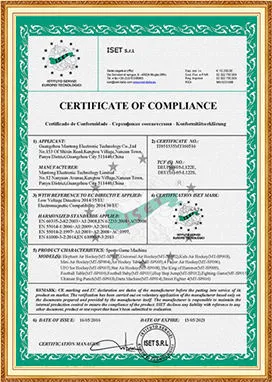
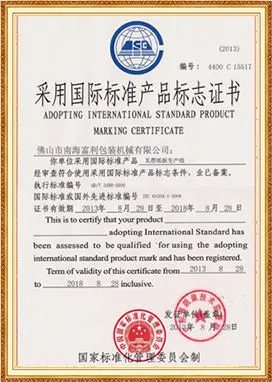
Our Certificate
Our company has advanced technical equipment, rich manufacturing experience, and zero-defect production goals. We have currently obtained multiple certificates and the trust of users at home and abroad.


Ultimate FAQ Guide to Cargo Control Products
Q: Why do I need a winch on my truck?
Q: What powers a truck winch?
Q: What is the most common use of a winch?
Q: Is it worth having winch on a truck?
Q: Can I put a winch on my truck?
Q: How necessary is a winch?
Q: What is the use of hand puller?
Q: What is a cable puller used for?
Q: What are wire rope grips used for?
Q: How to correctly fit a wire rope grip?
Q: What do I need to check when using a wire rope grip?
Q: When should I not use a wire rope clamp?
Q: How to use the wire rope grip?
Q: Why is it best to use tie down straps?
Q: How to Find the Right Cargo Control Supplies?
The very first thing to do is figure out the kinds of loads you are most likely to carry. As a new driver, you are probably willing to take just about anything that will fit on the back of a trailer. But realize that newbies do not have access to everything. It takes a while to work your way up to the more complicated loads. As a new driver, the bulk of your work is likely going to be things like lumber, pipe, building supplies, and other types of easy-to-manage cargo.
Visit Online Trucking Forums
Online trucking forums are a great resource for helpful information. You should join as many as you can even if you are not looking for cargo control advice. Having said that, feel free to post questions having to do with everything from tarps to ratchet straps and using blocks. Veteran truckers should be happy to share their knowledge with you. And make no mistake, they are a wealth of information.
Ask Shippers Direct Questions
Next, do not assume to understand what a shipper expects. Instead, ask very direct questions about how they want cargo secured and protected. Some don’t really care as long as the load gets to its destination safely. Others are very particular. They expect you to use a specific number of straps, a particular kind of tarp, and a certain number of edge protectors.
Check out Other Rigs
Check out how other drivers are securing the same kinds of loads you carry. Not only will you increase your knowledge of cargo control equipment, you will also learn some of the best trade secrets. Always remember that observation is a great tool.
Q: What are cargo straps?
Q: What is a tow hook?
Q: Do all cars have a tow hook?
Q: What is a cargo net?
Q: Do I need a boat hook?
We're well-known as one of the leading cargo control products manufacturers and suppliers in China. Please feel free to wholesale customized cargo control products at competitive price from our factory. For more information, contact us now.
2 Inch Winch with Axle, 1 5 Inch Fixed Type Ratchet Buckle, Wire Rope Grip Cable Clamp