

Zelang Machinery: Your Professional Tie Down Manufacturer
Taizhou Zelang Machinery Co., Ltd. was established in 2004 and is located in Yuhuan, Taizhou, Zhejiang, Donghai City. Since its establishment, our company has been committed to the design, development, and manufacturing of traction tools and hydraulic tools. The main products include wire tighteners, twisters, hand pullers, hydraulic tool accessories, hoist accessories, agricultural machinery accessories, etc.

Our Advantages
Advanced Production Equipment
Our company is equipped with a 3000KV laser cutting machine, 640 CNC lathe, 160T punch press, vertical drill, broaching machine, and other advanced production and processing equipment to ensure the reliability and advancement of products.
Continuous Product Innovation
Our factory continuously upgrades technology, optimizes design, and actively cooperates with users in product design and production. Currently, we have obtained more than 80 patents.
Professional Technical Guidance
During the product manufacturing process, we will fully cooperate with the arrangements for drawing review, product supervision, inspection and acceptance, etc., so that all work before product delivery is orderly.
24-Hour Service
Our company promises to provide 7×24 hours service after the contract is signed. We will respond within 1 hour after receiving the message, provide solutions to general faults within 8 hours, and solve complex problems within 24 hours.


Introduction to Tie Down
A tie down strap (also known as a ratchet strap, a lashing strap or a tie down) is a fastener used to hold down cargo or equipment during transport. Tie down straps are essentially webbing that is outfitted with tie down hardware. This hardware allows the tie down strap to attach to the area surrounding the cargo or equipment, loop over the cargo or equipment, and/or attach to the cargo or equipment. It usually also includes a method of tensioning the strap, such as a ratchet.
Easy To Use
Retractable ratchet straps are designed to be easy to use, even for those who are not familiar with traditional ratchet straps. The retractable user-friendly design allows the strap to be easily extended and retracted, making it simple to secure cargo in place. Additionally, many retractable ratchet straps come with ergonomic handles, making them even easier to grip and control.
Faster and More Efficient
These retractable tie-downs are faster and more efficient than the non-retractable ones. With traditional ratchet straps, the user must manually thread the strap through the ratchet and then tighten it. With retractable straps, the strap is already threaded through the ratchet, making it faster and more efficient to use. There is no need to manually wind up the strap after use, saving time and effort. The ratchet mechanism also allows for quick and easy tightening, ensuring that the load is secured in place in a matter of seconds. Less time is spent securing the cargo, allowing for more time to focus on other tasks.
Independent Securement
Unlike winch straps, ratchet straps do not require your truck to have winches installed along the sides. Winches wind and unwind your polyester webbed straps automatically, so they can be useful for some projects. Instead, ratchet straps can be secured independently to any kind of anchor point on the floor or side of your truck. You can use ratchet straps whenever you need to secure a piece of cargo for transport.
Highly Durable
When it comes to durability, retractable ratchet straps are often more durable than their traditional counterparts. The retractable design protects the webbing from wear and tear, ensuring it lasts longer and can be used more often. Ratchet straps are strong and durable. They are designed to resist damage from water and other natural elements, and they have a seriously high abrasion resistance. Ratchet straps can last for a long time as long as they’re taken care of. The retractable design protects the webbing from damage by retracting it back into the housing unit when not in use, preventing it from becoming tangled or frayed.
Versatile
Retractable ratchet straps are versatile and can be used in a wide range of industries and applications. They can be used to transport boxes, furniture, ATVs, UTVs, motorcycles, kayaks, boats, jet skis, lawn equipment, and heavy duties. These tie-downs can also be used in various settings like, as mentioned above, warehouses, construction sites, shipping and logistics companies, and factories.
Cost-Effective
Finally, these retractable ratchet straps are a cost-effective solution for securing cargo. While they may be slightly more expensive than the traditional ones, their durability and ease of use make them a worthwhile investment in the long run. They would not have to be replaced frequently, which reduces the overall cost of purchasing new straps.
Application of Tie Down


Farming
When it comes to your hauling needs when performing farm-related work, ratchet straps offer plenty of flexibility and durability in that department. They can easily be fastened to places on trailers where small hooks can’t enter and be used to pull or tow equipment. You can even fasten feed stuff, such as hay, to a trailer using ratchet straps and get it to the animals with minimal hustle.
Storage
Sometimes you just need to fasten things to walls or ceilings to create more space in a storage area, and ratchet straps are well suited for the task. As long as the wall and ceiling have anchor points where the hooks can enter, they will keep whatever you are storing safe and secure. Another storage-related use for ratchet straps is fastening items together for easier pickup.
Transportation
As we mentioned earlier, transporting cargo is the main reason people purchase ratchet straps. And to be honest, this is the job that they are best option when compared to ropes, chains, or bungee cords, which most people use instead of ratchet straps. So whether you need to transport electronic equipment or motor bikes, ratchet straps are the safest and fastest way to secure your load and move it from point A to B.
Shipping
When it comes to palletizing a shipment, strapping it to a pallet is easier with ratchet straps. They can be used to secure anything that can fit on the pallet, from large items to a bunch of boxes. The items will remain safe and secure even when the forklift comes to pick them up.
Using Guidance for Tie Downs
Prior to connecting your ratchet tie down straps, it’s important to assemble them properly. If you incorrectly assemble your straps, tie down failure may occur, leading to possible injury or damage to property. Ratchet tie down straps consist of two major parts. The first part is the main section consisting of a ratchet buckle as well as a hook and a short length of webbing. The other part consists of a lengthier section of webbing with one hook and one open end.
Now To Attach Your Ratchet Tie Down Straps:
Begin by attaching the hooked end of your tie down to a strong and secure anchor point on your trailer truck. Place the strap across the cargo to be secured.
01
Continue cycling the ratchet strap until you see the open slot on the axle facing upwards when the handle is closed.
02
Through the bottom side of the axle, feed the open end of the webbing. Pull the remaining slack through.
03
About three or four times, open and close the ratchet to tighten it securely. Put the handle in the closed position so that it is locked. Avoid over tightening.
04
In order to disengage your tie down straps, pull the center release bar down and turn the handle 180° until a click sound indicates the tension is released.
05
How to Make Your Ratchet Straps Last Longer

Keep Your Ratchets Oiled Up
To keep your ratchets operating smoothly for years on end, we recommend lubricating them with a spray or industrial oil. Regular lubrication of your ratchets will prevent snagging and pulling from occurring during use which could cause rip damage. Take care, though, to only apply the lubricant to the ratchet and not the strap or webbing as repeated exposure may cause the webbing to corrode over time, reducing effectiveness.
Don’t Leave Ratchet Straps in the Sun
All of our ratchet straps — heavy-duty and lightweight — are made from 100% polyester. While this material is incredibly strong and withstands repeated rigorous use, it doesn’t fare so well in the sun. UV rays from the sun can break down polyester fibres over long periods of time, causing ratchet straps to become brittle and discoloured. Brittle, inflexible straps make fastening jobs increasingly difficult and can snap if left for extended periods of time. When your ratchet straps aren’t in use, store them in a shaded place such as a garage or toolbox to avoid sun damage and keep them stronger for longer.
Dry Your Ratchet Straps Before Storing Them
While it is tempting to just roll up your ratchet straps and forget about them after a long, wet day of transporting loads, this is one of the worst habits to get into when it comes to using ratchet straps. Putting away tie-downs when they are still wet encourages the rapid growth of mould and mildew spores which, like exposure to the sun, can weaken the strength of even strong ratchet straps over time. Just as you would a tarpaulin, or even laundry, wait for your tie-down to dry out between uses — unless it’s an emergency.
Remove Webbing from the Ratchet
When not in use, it is important to dismantle your ratchet straps, keeping the webbing and metal ratchet separate from one another. Leaving the webbing inside the metal ratchet (or handle) may lead to it getting wound too tightly or weakening in one particular area. Although it may elongate the fastening process next time, this small tip is sure to extend the lifespan of your ratchet straps if adhered to.
Wrap Webbing Around the Ratchet
Instead of leaving your tie-downs to tangle up and become a tripping hazard, secure your webbing around its ratchet. A great way to prevent your workspace or vehicle from becoming cluttered is to wind the webbing around the metal handle right up to the ratchet strap ends and secure it with a rubber band. Not only does this keep things tidy, but it protects the metal ratchet from road vibration damage too. Check out our blog post on how to store your ratchet straps for a detailed overview of coiling traps.
Keep Straps Away from Heat and Friction
Many hauliers get into the bad habit of leaving their tie-downs to hang loose when not in use. Leaving straps to flap about is dangerous not only because it could damage the vehicle or other vehicles nearby, but the strap could rub and weaken over time. Do your best to keep your tie-downs away from moving parts and direct heat sources to avoid burning or severing — especially mini ratchet straps that are more delicate. If you do, however, notice a lesion or burn mark on your tie-downs, a replacement should be bought immediately. For extra protection against abrasion damage, invest in a wear sleeve for your ratchet straps.
Inspect Your Straps Regularly
Before every use, take a few seconds to inspect your tie-downs for any signs of wear and tear or serious damage. Injury or damage as a result of using ratchet straps improperly has legal consequences, so it is important to double check. As stated above, discolouration is the first sign of a strap weakening, while burn marks, tears, and rips are always a cause for concern and should stop a strap from being used. Also, keep an eye out for any missing identification labels as these inform users of the maximum weight each strap can take. Keep yourself and others safe on the road and take care of your ratchet straps well to keep them usable for longer.

Factors to Consider Before Choosing a Tie Down
Weight Capacity
The load of the cargo is the basic thing that must be known before deciding the number of tie-down straps required. You need to know how much weight a strap will be able to carry. Generally, 2 straps are the basic requirement for any type of load.
Tie Down Strap Length
The strap must be long enough so that it covers the whole load and is properly tied down from all the points. The strap should not be very long nor should it be small as it will compromise the load safety. If the tie-down strap is short then it won’t be able to cover up the whole load and if it is too big then it won’t give adequate strength and support to the cargo as it will be loose. So, an appropriate strap length is necessary.
Strength of The Tie Down Straps
There is a load rating for every tie-down strap. It is important to make sure that the load rating of the strap is higher than the load that is being transported to make it safe. There are many other factors that must be considered in a total load of cargo and those are wind resistance, bump on the road, etc. So, all these factors must be observed to make your cargo safe and secure.
Type of Hook at Tie-Down Straps End
These hooks are attached at the end of the strap and are used to connect the strap to the anchor point. There are various types of hooks that are available at strap end fitting such as s-hooks, flat hooks, wire hooks, etc. The type of hook has to be selected on the basis of the anchor point. The s-hook is compatible with almost all kinds of anchor points. Whereas, the flat hooks can be used where the anchor point is flat and are mostly used in flatbed trailers. There are also certain hooks that come with safety latches. Because of these safety latches, the hooks won’t come off the anchor point easily. This makes the cargo more secure and safe.
Locking in Ratchet Straps
Built-in locks are also installed in some straps that act as an additional feature. They provide extra support and safety to the cargo. If the load that is being carried needs extra support and security then these straps are very important and must be used in such cases.
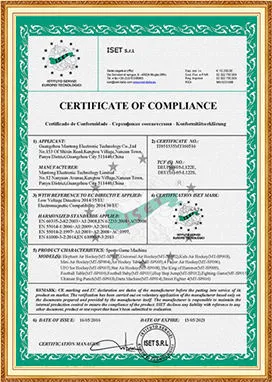
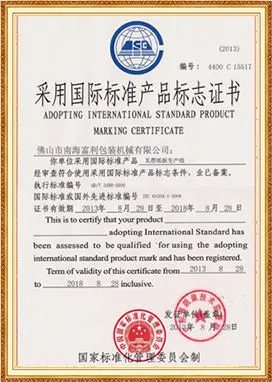
Our Certificate
Our company has advanced technical equipment, rich manufacturing experience, and zero-defect production goals. We have currently obtained multiple certificates and the trust of users at home and abroad.


Ultimate FAQ Guide to Tie Down
Q: How many tie-downs are required for a 20-foot load?
Q: What are the different types of tie down buckles?
Q: Why is it best to use tie down straps?
Q: What should you attach tie-down straps to?
Q: How long do tie-down straps last?
Q: Should you twist a tie down strap?
Q: Can you tow a car with tie down straps?
Q: How many tie-down straps do I need?
Q: When should tie-down straps be replaced?
Q: Can you shorten tie down straps?
Q: What is the difference between a winch strap and a ratchet strap?
Q: Can tie down straps be used for lifting?
Q: How many tie downs do I need for a 20 foot load?
Q: What is the mechanical advantage of a ratchet strap?
Q: How to use ratchet straps?
● If the article’s weight exceeds 1,100 pounds and less than or equal to 5 feet, you need two tie downs.
● If the length exceeds 5 feet but less than 10, regardless of weight, you need two tie downs.
● If an article exceeds or equals 10 feet in length and is “blocked, braced or immobilized to prevent movement in the forward direction by a headerboard, bulkhead, other articles that are adequately secured, or other appropriate means,” then secure it with one tie down every ten feet (or fraction thereof).
● If the article is greater than or equal to 10 feet in length and is not blocked to prevent forward movement, then it requires two tie downs for the first 10 feet of length, then one additional tie down for every additional 10 feet (or fraction thereof).
Q: Does the tie down strap need to be used with corner protectors?
Q: What are the advantages of ratchet straps over other load-securing devices?
Q: Can I shorten the webbing myself?
Q: What are the applications of tie-down straps?
Q: What are the tightening methods of tie downs?
We're well-known as one of the leading tie down manufacturers and suppliers in China. Please feel free to wholesale customized tie down at competitive price from our factory. For more information, contact us now.
3 Inch Tie Down, Tie Down, 1 Inch Tie Down