

Zelang Machinery: Your Professional Wire Rope Grip/Cable Clamp Manufacturer
Taizhou Zelang Machinery Co., Ltd. was established in 2004 and is located in Yuhuan, Taizhou, Zhejiang, Donghai City. Since its establishment, our company has been committed to the design, development, and manufacturing of traction tools and hydraulic tools. The main products include wire tighteners, twisters, hand pullers, hydraulic tool accessories, hoist accessories, agricultural machinery accessories, etc.

Our Advantages
Advanced Production Equipment
Our company is equipped with a 3000KV laser cutting machine, 640 CNC lathe, 160T punch press, vertical drill, broaching machine, and other advanced production and processing equipment to ensure the reliability and advancement of products.
Continuous Product Innovation
Our factory continuously upgrades technology, optimizes design, and actively cooperates with users in product design and production. Currently, we have obtained more than 80 patents.
Professional Technical Guidance
During the product manufacturing process, we will fully cooperate with the arrangements for drawing review, product supervision, inspection and acceptance, etc., so that all work before product delivery is orderly.
24-Hour Service
Our company promises to provide 7×24 hours service after the contract is signed. We will respond within 1 hour after receiving the message, provide solutions to general faults within 8 hours, and solve complex problems within 24 hours.


Introduction to Wire Rope Grip/Cable Clamp
Cable grips are a versatile tool that can be used to temporarily or permanently add pulling force to a cable or rope. They are easy to use and can be applied to any type of cable, regardless of its size or material.
Advantages of Wire Rope Grip/Cable Clamp
Safety and Convenience
The electric wire grips are vital for anyone working with wires and cables. They provide a secure and stable grip that ensures that any cables or wires attached to them remain in place. This is especially beneficial when working in areas where a cord could become accidentally dislodged or pulled out. With it, you can be sure that the wiring remains securely in place and won’t become a hazard. An electric wire grip provides a convenient solution for organizing and maintaining your wires. They allow you to easily adjust the length and tension of your wires so that you can customize their fit to suit any space. Plus, they make it easy to keep your wires separated, which can prevent tangling and entanglement. This makes it much easier to tidy up your wires and make them look neat and organized.
Longevity and Aesthetics
An electric wire grip on your wires can ensure they last longer. The added protection from the grip prevents the wire from being exposed to wear and tear from being handled frequently or from exposure to weather conditions. The wiring will not suffer corrosion, breakage, or other potential damages. Not only does this increase the lifespan of your wires, but it also saves you money in the long run by not having to replace your wiring as often. In addition to the safety and convenience of using wire grips, another benefit is their aesthetic appeal. Using it adds a polished, professional look to any small or large job. It can come in various colors, shapes, and sizes, allowing you to match them to your décor and personal style. They can even be customized with logos or messages.
Application of Wire Rope Grip/Cable Clamp
Rigging and Lifting
Wire rope grips are extensively used in rigging and lifting operations. They can be employed to create eye terminations or loops in wire ropes that are used for lifting heavy loads. The grips provide a secure and reliable method of joining and terminating wire ropes, ensuring safe and controlled lifting operations.


Wire Rope Fencing
Wire rope grips are utilized in the construction of wire rope fences. They are used to secure the wire ropes to fence posts, creating a strong and durable fence structure. The grips allow for easy tensioning and adjustment of the wire ropes, ensuring a taut and secure fence.
Suspension Systems
Wire rope grips are employed in suspension systems for various applications. They can be used to hang signs, banners, lighting fixtures, or other objects from ceilings or overhead structures. The grips provide a secure attachment point, allowing for easy installation and adjustment of suspended objects.


Zip Lines and Cableways
Wire rope grips are used in the construction of zip lines and cableways. They help secure the wire ropes to support structures and allow for tensioning and adjustment of the cables. The grips ensure the safety and stability of the zip line or cableway system.
Marine and Boating
Wire rope grips find application in the marine industry and boating activities. They are used to secure wire ropes in various marine applications, such as boat rigging, mooring lines, anchor systems, and sailboat rigging. The grips provide a reliable method of fastening and joining wire ropes in marine environments.


Industrial Applications
Wire rope grips are employed in diverse industrial applications. They can be used for securing wire ropes in conveyor systems, hoisting equipment, winches, cranes, and other machinery. The grips provide a robust and adjustable connection point for wire ropes in industrial settings.
Working Principle of Wire Rope Grip/Cable Clamp
Construction: A wire rope grip consists of a body or saddle, a U-bolt, and nuts. The body or saddle is a curved piece with grooves or teeth on its inner surface to grip the wire rope. The U-bolt is a threaded bolt in the shape of a "U" that passes around the wire rope and fits into the grooves or teeth of the body. The nuts are used to tighten the U-bolt against the body, applying pressure and securing the wire rope.
Installation: To install a wire rope grip, the wire rope is inserted into the grooves or teeth of the body or saddle. The U-bolt is then placed over the wire rope, with the threaded ends of the U-bolt extending through the holes in the body. The nuts are threaded onto the U-bolt and tightened against the body, creating pressure on the wire rope.
Gripping Action: As the nuts are tightened, the U-bolt applies force to the wire rope, pressing it against the grooves or teeth of the body or saddle. This creates friction between the wire rope and the grip, effectively gripping and holding the wire rope in place.
Secure Fastening: The amount of force applied by tightening the nuts determines the grip's holding power. Sufficient tightening ensures a secure and reliable connection, preventing the wire rope from slipping or coming loose.
Tips for Wire Rope Grip/Cable Clamp
Cleaning and Lubrication
Step 1: Clean the surfaces of the grip jaws using a cloth or round wire brush.
Step 2: Spray all joints and moving parts, including the jaws, with a degreaser. Then, use a round wire brush to remove any dirt from the jaws.
Step 3: Once clean, wipe the wire grips until they are dry. If the grips are still dirty, repeat the steps as needed.
Step 4: Lubricate all joints and any moving parts. The surfaces of the grip jaws should not be lubricated.
Wire Grip Inspection
To inspect the wire grip:
Step 1: Carefully examine the jaws for clogged, damaged, or missing teeth.
Step 2: Check that the jaws and other parts of the grip are aligned to ensure that there is no distortion.
Step 3: Open and close the grip to ensure it completely and smoothly opens and closes.
Step 4: Finally, check all other parts and joints for any distortion and/or wear.

Factors to Consider Before Choosing Wire Rope Grip/Cable Clamp
Get It from a Reliable Rigging Hardware Manufacturer
The first step in choosing cable clamps is to buy them from a trusted and reputed rigging hardware manufacturer. The last thing you want is to use a defective or poor-quality clip. This will compromise the safety of your load and your crew.
Always Check the Instruction Manual First
As you can see, each wire rope clamp comes with unique properties. You need the instruction manual to understand when, where, and how to use the cable clamps. Make sure the clamps are accompanied by respective user manuals when making a purchase.
Consider Your Work Environment
By now, you know that some cable clamps are more suited for outdoor environments, while others aren’t. As a result, carefully think about where you want to use the wire rope clips. For example, if it’s a heavy outdoor application, stainless steel wire rope clamps would be a great fit.
Consider Your Load Specifications
Taking into account how large and heavy the load is also equally important. Heavier loads will require strong cable clamps that won’t break under stress. Also, you shouldn’t use clips for any permanent rigging or lifting applications. They are suited only for temporary load applications.
Conduct Expert Inspection
Lastly, it’s always better to get an expert on board when shopping for wire rope clips. Maybe you can hire an engineer or expert with considerable field experience to help you choose the right types of clamps. An expert will help you take every detail into account before making the purchase. Remember, if you choose the right cable clamps right off the bat, you’ll save considerable time and money down the line.
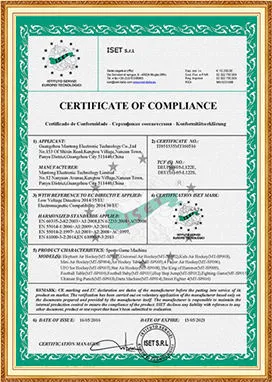
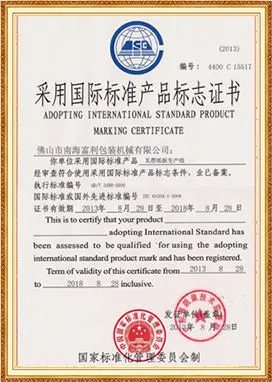
Our Certificate
Our company has advanced technical equipment, rich manufacturing experience, and zero-defect production goals. We have currently obtained multiple certificates and the trust of users at home and abroad.


Ultimate FAQ Guide to Wire Rope Grip/Cable Clamp
Q: What is gripping wire?
Q: What should I pay attention to when using Wire Rope Grip?
Q: What are wire rope clips used for?
Q: What is another name for a wire rope clamp?
Q: What is a cable clamp?
Q: Are cable clamps necessary?
Q: How do you secure a cable clamp?
Q: How many cable clamps should I use?
Q: Can you reuse cable clamps?
Q: How do cable clamps work?
Q: What are the construction and functionality of cord grips?
Q: What are the different types of cord grips?
Standard Cord Grips: These are commonly used in both industrial and residential settings. They’re versatile and can accommodate a broad range of cable diameters.
Waterproof Cord Grips: Constructed with high-grade materials and seals, these cord grips are designed for harsh environments where cables may be exposed to water or moisture.
EMI/RFI Shielding Cord Grips: These specialized cord grips come with an integrated grounding ring, which offers protection against electromagnetic and radio frequency interference.
Q: How to choose the right cord grip?
Q: How to install cord grips?
Q: How to maintain and replace cord grips?
Q: What are Cable grips used for?
Q: Why should you use a cable clamp?
● It protects the cable from abrasion, cuts, or nicks that could expose the conductors and create a fire hazard or a shock hazard.
● It prevents strain on the cable and its connections, which could cause loose wires, arcing, overheating, or short circuits.
● It prevents accidental disconnection of the cable from the box, which could leave live wires exposed or damage other components in the circuit.
● It helps maintain proper grounding of metal boxes and conduit bodies by ensuring good contact between the cable armor and the box.
Q: What are different types of cable clamps?
Metal Cable Clamps: Constructed from various metals like stainless steel, aluminum, or brass, these clamps are much more robust and durable than their plastic counterparts. Metal cable clamps are suitable for heavy-duty applications, including industrial and outdoor installations where they must withstand harsh conditions.
Adjustable Cable Clamps: This type provides flexibility in accommodating various cable sizes. The adjustable nature of these clamps makes them ideal for situations where cable diameters may change over time, such as in growing data centers or dynamic industrial environments.
Insulated Cable Clamps: These clamps feature an extra layer of protection against electrical conductivity, heat, and corrosion. Insulated clamps are particularly beneficial in environments where safety is a high priority.
Q: What are the uses and applications of cable clamp?
Data Centers: Clamps are crucial in organizing the multitude of cables in data centers, improving airflow, reducing downtime, and facilitating easier maintenance.
Automotive Industry: In vehicles, cable clamps keep the numerous wires and cables organized, preventing damage due to vibrations or heat.
Telecommunications: Clamps are used to secure and organize network cables, aiding in maintaining the integrity of data transmission.
Q: How to choose the Right Cable Clamp?
Material: The choice of material largely depends on the environment where the clamps will be used. For instance, if the clamps will be exposed to harsh conditions such as outdoor weather or high temperatures, metal clamps would be a more suitable choice.
Size: The size of the clamp should match the size of the cable. A clamp that’s too small may damage the cable, while one that’s too large may not hold the cable securely.
Adjustability: Adjustable clamps are beneficial in situations where the cable diameters may change, allowing for greater flexibility.
Insulation: If the clamps will be used in environments where electrical conductivity could be a concern, insulated clamps would be a safer choice.
We're well-known as one of the leading wire rope grip、cable clamp manufacturers and suppliers in China. Please feel free to wholesale customized wire rope grip、cable clamp at competitive price from our factory. For more information, contact us now.
Japanese Type Wire Rope Grip, German Type Cable Clamp, Double Cam Wire Rope Grip