

Zelang Machinery: Your Professional Truck Winch Manufacturer
Taizhou Zelang Machinery Co., Ltd. was established in 2004 and is located in Yuhuan, Taizhou, Zhejiang, Donghai City. Since its establishment, our company has been committed to the design, development, and manufacturing of traction tools and hydraulic tools. The main products include wire tighteners, twisters, hand pullers, hydraulic tool accessories, hoist accessories, agricultural machinery accessories, etc.

Our Advantages
Advanced Production Equipment
Our company is equipped with a 3000KV laser cutting machine, 640 CNC lathe, 160T punch press, vertical drill, broaching machine, and other advanced production and processing equipment to ensure the reliability and advancement of products.
Continuous Product Innovation
Our factory continuously upgrades technology, optimizes design, and actively cooperates with users in product design and production. Currently, we have obtained more than 80 patents.
Professional Technical Guidance
During the product manufacturing process, we will fully cooperate with the arrangements for drawing review, product supervision, inspection and acceptance, etc., so that all work before product delivery is orderly.
24-Hour Service
Our company promises to provide 7×24 hours service after the contract is signed. We will respond within 1 hour after receiving the message, provide solutions to general faults within 8 hours, and solve complex problems within 24 hours.


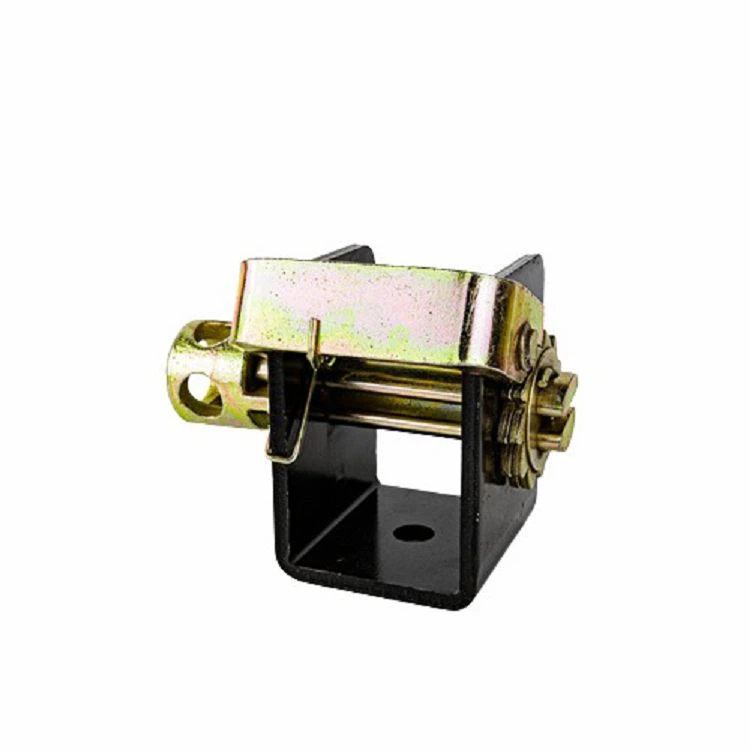
Introduction to Truck Winch
The primary purpose of a truck winch is to assist in activities such as loading or unloading cargo, recovering vehicles stuck in challenging terrain, and providing a means for securing or pulling heavy loads.
Electric Truck Winch
The winch power source is an important aspect of choosing a winch. The power source will determine the winch’s pulling capacity and the motor’s durability. An electric winch is powered by an electric motor, which drives a set of gears that rotate the spool cylinder and wind or release the pulling cable n the winch. The electric motor on these winches is powered by your vehicle’s battery or alternator if the engine is running. An electric winch draws a lot of power from the vehicle, or battery, making it vital to size the winch to the battery and vehicle capacity or upgrade the battery to handle the additional load of the winch. If the winch is not matched to the vehicle and battery correctly, you may experience excessive battery drain, which will damage the battery, or the battery will not be able to power the winch. Where the electric winch is mismatched to the vehicle’s components, the winch may stop working or lose power when you switch on the vehicle’s headlights.
Hydraulic Truck Winch
Truck winches powered by hydraulics are typically more powerful than electric winches and are used where regular heavy-duty hauling is required. Hydraulic fluid can develop a huge amount of pressure, which the winch gears can translate into greater hauling power. The power source for hydraulic winches is generally the power steering pump on the truck. The winch has hydraulic pistons and pipes filled with specialized hydraulic fluid connected to the vehicle’s power steering pump. In contrast to the electric winch, the vehicle’s engine must be running to power a hydraulic winch. The power steering pump, which delivers the power to the winch, is only activated when the engine is running. Hydraulic winches are usually reserved for heavy-duty applications such as specialized vehicle recovery. Hydraulic winches are usually more expensive than electric winches and more complicated to install on a vehicle, making them a less common choice for recreational use. Hydraulic winches are not only more powerful than electric winches, but they are also more durable, making them the ideal choice for regular heavy-duty hauling.
Front-Mounted Truck Winch
A front-mounted truck winch is installed at the lower front end of the truck, at the front bumper. Depending on the mounting points on the truck and the bumper design, the bumper may need to be removed, customized, or replaced with a modified version. The winch is mounted directly to cross members of the vehicle chassis to provide a strong securing point that won’t rip off the vehicle when heavy loads are hauled. A front-mounted winch has several advantages, making this position the preferred mounting for off-road enthusiasts. There is a better line of sight during the operation of a front-mounted winch, allowing the driver or operator to control the winching operation better and direct the vehicle as needed. This aspect is especially useful when performing a self-rescue on your own vehicle; you can look forward while maneuvering the vehicle rather than watching your rearview mirrors or twisting your head around to look out of the rear window.
Rear-Mounted Truck Winch
Rear-mounted winches can be installed in two places at the back of the truck. One position is at the vehicle’s rear bumper, either in place of or alongside the tow hitch. This installation location may require the modification of the bumper to accommodate the winch and the mounting points. A winch in this position is useful for vehicle rescues or winching boats out of the water onto a trailer. The second rear-mounted option is to mount the winch in the truck’s load bed against the back of the cab. This winch position is ideal for hauling items into the truck’s load bed, which is not possible with a rear bumper-mounted winch. In both rear-mounted locations, it is often beneficial to operate and control the winch from outside the vehicle to gain a better perspective of the winching operation.
Steel Cable Winch
Steel cable is one of the choices to use with a winch, but it has implications for the winch, the operator, and bystanders during the winching process. Steel cables were the original winching method, but the winch must be designed to handle the steel cable. Steel cable is heavy, adding weight to the vehicle and causing the winch to work harder to reel in the cable. Steel cables are more abrasive than synthetic cables, requiring more robust gears, drums, cable guides (hawse and rollers), and braking systems to withstand the weight and abrasive qualities of the steel cable. Steel cable winches are appropriate for conditions such as mud or sand, which can be very abrasive for synthetic cables. Although steel cable winches are common and the more traditional option and require less maintenance, many off-roading enthusiasts and off-roading clubs are changing to synthetic cable winches for safety reasons.
Synthetic Cable Winch
Synthetic cable winches are gaining popularity for truck winches because of the reduced risk of accidents when hauling heavy loads. Many modern synthetic cables for winches are stronger than their steel counterparts, but the disadvantage of synthetic cables is the cost. These cables are more expensive than steel cable and wear faster than steel, requiring more frequent replacement of the synthetic cable. Synthetic cables are lighter and less abrasive than steel cables, producing less wear and tear on the winch and its components.
Advantages of Truck Winch
There will be instances when four-wheel drive and a tow strap aren’t enough to get your vehicle free. You may need to anchor to a tree or boulder if there isn’t enough room for another vehicle to bring you out. With a winch, you can avoid both of these problems and free your vehicle more swiftly and safely. You’ll never be trapped long enough for a winch to get you out and on your way.
Because winches are so stable, they can offer highly precise motions in small, smooth increments. When your truck or Jeep gets trapped in a tight area, making exaggerated movements in one way or the other could cause harm to your vehicle. Awkward actions, on the other hand, risk causing damage to your automobile. Winches provide the highest level of precision, making them a safer technique for towing your vehicle to safety.
On a winch, the normal rope length is 100 feet. This tow-strap is three times as long as a standard tow-strap. When it comes to selecting how to properly move your vehicle out of a tight situation, a longer reach gives you more alternatives and leverage. The last thing you want is for your friend’s vehicle to become trapped while you struggle to get your truck or Jeep out.
Installing a winch and winch bumper on your truck or Jeep not only gives many functional benefits, but it also improves the appearance of your vehicle. Not only should an off-road vehicle be sturdy and durable, but it should also look the part!
Application of Truck Winch
Marine Load Outs
A marine load out is the operation of transferring cargo or a structure to a sea-borne vessel. There are several types of load outs but they all require heavy-duty winches to complete the process. A lifted load out is when the cargo is lifted by a crane and placed on the ship or barge. A skidded load out is when skids are pulled onto the vessel by a winch. There are also trailer load outs that load trailers containing the cargo onto the ship, typically using winches and ramps.
Mooring Systems
No matter what type of mooring system you are using, chances are if you have a larger ship, you will need a mooring winch. Mooring systems typically come in 4, 6 or 8 points and each point requires a winch to help secure the vessel in place. Winches can help keep the vessel exactly where it needs to be while it is loaded or unloaded, adding safety and security to the project.
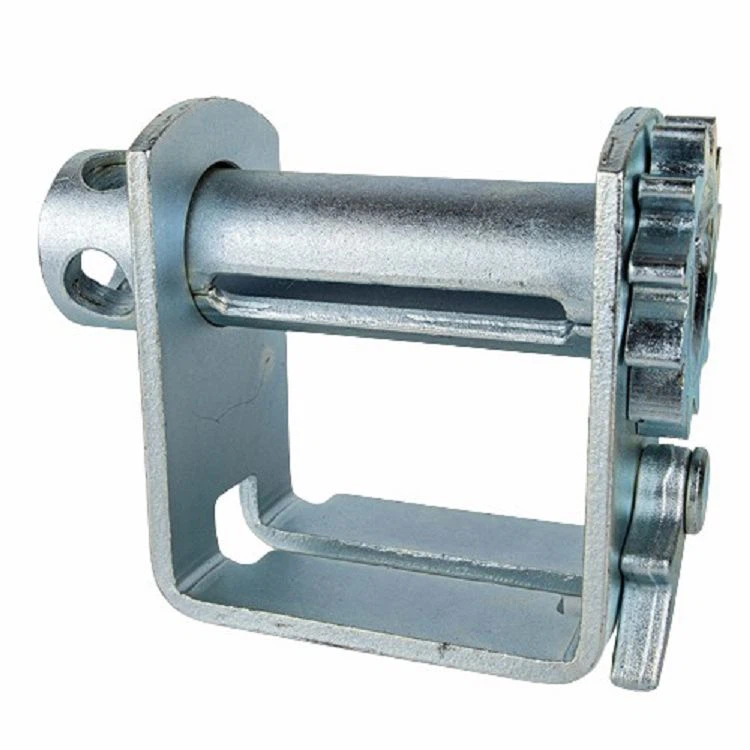

Drilling Operations
For both onshore and offshore drilling installations, winches are a huge part of the process. They are used both for setting up a new drilling installation as well as operating them once they are built. Moving the pieces into place and lifting them to build the structure is made easy with the use of heavy-duty winches.
Bridge Launching
The engineering that goes into designing and building a bridge is a huge undertaking. But once it is built, heavy-duty winches are needed to help settle the new bridge into place. Winches can make the building of large-scale structures something that can happen in a matter of days whereas it would take months to build without the use of a winch.
Maintenance Tips for Truck Winch
Inspection
Before and after winch use, always inspect to make sure there is no damage to the winch. Also, check the tightness of the mounting bolts and verify there are no loose components or fasteners. Tend to these needs if necessary.
Rope
Whether you are using synthetic or wire rope, always inspect the rope before and after each winching operation. If the rope has been kinked or frayed, it will need to be replaced immediately. Other signs that your rope will need to be replaced include:
- Rope bulk anywhere along the length is reduced by 25% or more due to abrasion.
- Two or more adjacent strands in rope are cut.
- Flat areas or lumps are visible that cannot be fixed by flexing the rope.
- Fused or melted fibers are found in excess (these areas will be stiff and the rope will have a shiny appearance.)
- Lubricate the cable periodically using light penetrating oil.
Battery
Operating the winch for a long period of time can strain the battery. Ensure that the battery is in good working order and that the battery cables are clean. Refer to your Operator’s manual for specific battery maintenance.
Winch Maintenance
The clutch should be checked monthly, making sure it is fully engaging and disengaging. If it is not engaging, inspect the clutch shifter assembly, ensuring there is no damage or excessive wear. Replace any parts that are necessary.
Keep the winch clean by using a rag or towel to remove any dirt or debris. It may be necessary to unwind the rope (leaving at least five wraps on the spooling drum), wipe clean, and rewind properly before storage.
Keep an eye out for corrosion on electrical connections. Corrosion reduces performance and can cause a shortage in the system. Clean all connections, including the remote control switch and receptacle. If the winch is being used in a salty environment, use a silicone sealer to protect it from corrosion.
The winch will also need to be protected from corrosion of the internal motor components that can occur with condensation. Powering the winch in or out periodically will energize the motor, generating heat which will help dissipate any moisture buildup in the motor.
Storage
When the winch is not in use, it should be left with the clutch in the engaged position, to help the internal parts of the winch withstand the effects of weather and contamination.
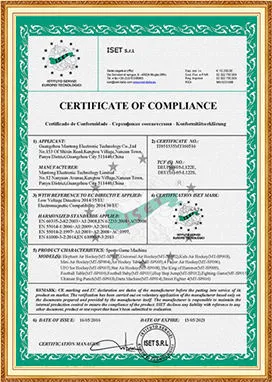
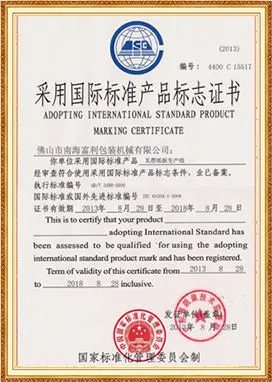
Our Certificate
Our company has advanced technical equipment, rich manufacturing experience, and zero-defect production goals. We have currently obtained multiple certificates and the trust of users at home and abroad.


Ultimate FAQ Guide to Truck Winch
Q: What to look for when buying a winch?
Q: What is a winch?
Q: What are the benefits of a winch?
Q: What can a winch pull?
Q: How do I choose a winch for my truck?
Q: What size winch is for a truck?
Q: What makes a winch stronger?
Q: Can I add a winch to a truck?
Q: What happens if you overload a winch?
Q: What is the most common use of a winch?
Q: What are the advantages of hydraulic towing winches?
Hydraulic towing winches are renowned for their impressive power and performance capabilities. They are capable of generating high pulling forces, making them ideal for heavy-duty towing applications. With their robust hydraulic motors and drivetrain systems, these winches can effortlessly handle substantial loads without compromising on performance.
Precise Control and Safety:
Hydraulic towing winches offer precise control and excellent safety features, making them highly sought after in demanding towing operations. The hydraulic system allows for fine-tuned control over the winch, enabling operators to adjust line speed, direction, and tension with great accuracy. This level of control ensures smooth load handling, minimizing the risk of sudden jerks or movements that could lead to accidents or damage. Additionally, marine hydraulic towing winches often come equipped with safety features such as emergency stop systems and overload protection, further enhancing operational safety.
Efficiency and Reliability:
Hydraulic towing winches are known for their efficiency and reliability in various towing applications. Hydraulic systems transmit power effectively, minimizing energy loss and maximizing efficiency. This efficiency translates into reduced fuel consumption and lower operating costs over the long term. Moreover, hydraulic winches are less prone to overheating, ensuring consistent performance even during extended operations.
Versatility and Adaptability:
One of the key advantages of hydraulic towing winches is their versatility and adaptability to a wide range of applications. These winches can be easily integrated into different types of vehicles or machinery, including trucks, boats, cranes, and construction equipment. They can accommodate various accessories and attachments, such as wire ropes, chains, or synthetic ropes, allowing for flexibility in load handling. Hydraulic winches can be customized and configured to meet specific requirements, making them suitable for diverse industries, including marine, construction, and oil and gas.
Enhanced Control in Challenging Environments:
Hydraulic towing winches excel in challenging environments where other winch types may struggle. Hydraulic systems offer excellent resistance to extreme temperatures, corrosion, and moisture, making them well-suited for marine and offshore applications. Whether it's towing ships in rough seas or handling loads in harsh environments, hydraulic winches provide reliable performance under demanding conditions.
Reduced Noise and Vibration:
Compared to other winch types, hydraulic towing winches produce less noise and vibration during operation. The hydraulic motor's smooth and quiet operation reduces noise pollution, benefiting both operators and those in the vicinity. The minimized vibration levels result in a more comfortable working environment and reduced wear on the winch and associated equipment.
Q: What is the structure of a winch?
Q: What are the safety measures to keep in mind while using electric winch?
Using a winch safely starts with reading and understanding the owner’s manual. We know, it is so easy to discard the manual along with packaging. But it’s included for a reason. Not only should it not be ignored, but it should be fully understood before installation and use. Along with all that is the basic principle of installing an electric winch according to manufacturer specifications. Those specifications are found in the owner’s manual. Safe operation requires doing exactly what the manufacturer recommends, right down to little details like not welding mounting bolts and using only approved power cords and winch cables.
Operational Inspections
Manufacturers will always recommend a tow operator inspect the winch before using it. This means before every use. Even if a tow operator doesn’t think an inspection is necessary on every job, the winch should still be inspected on a regular basis. The operator should be checking the winch cable, hooks, slings, and all visible moving parts of the winch. Frayed, kinked, or damaged winch cables should never be used. Any moving parts that appear to be worn should also be considered for replacement. You can never be too careful when you are connecting an electric motor to a 12,000-pound vehicle using a piece of winch cable.
Safety During Winch Use
The nature of towing and vehicle recovery is such that problems with an operator’s equipment are usually not apparent until he or she is in the middle of a job. In other words, a visual inspection may not reveal a potential weak point in a winch cable. The operator might never know the cable is weak until it snaps during a recovery. As such, the tow operator should always assume that danger is present whenever using a winch. Basic safety rules always apply no matter the circumstances. For example, the operator should stay out of the direct line of the wire rope during recovery. A winch dampener should be used just in case the rope snaps.
Q: Do I need to wear gloves when using a truck winch?
Q: What is the mechanism of a winch?
Q: Do I need a fairlead to use a truck winch?
Q: What is the principle of a hydraulic winch?
Q: Why do winches have a strap?
Q: How does a winch provide force?
Q: What is the difference between a winch and a hoist?
We're well-known as one of the leading truck winch manufacturers and suppliers in China. Please feel free to wholesale customized truck winch at competitive price from our factory. For more information, contact us now.
lashing winch, 4 Inch Detachable Truck Winch, 4 Inch Built in Truck Winch