

Zelang Machinery: Your Professional Webbing Manufacturer
Taizhou Zelang Machinery Co., Ltd. was established in 2004 and is located in Yuhuan, Taizhou, Zhejiang, Donghai City. Since its establishment, our company has been committed to the design, development, and manufacturing of traction tools and hydraulic tools. The main products include wire tighteners, twisters, hand pullers, hydraulic tool accessories, hoist accessories, agricultural machinery accessories, etc.

Our Advantages
Advanced Production Equipment
Our company is equipped with a 3000KV laser cutting machine, 640 CNC lathe, 160T punch press, vertical drill, broaching machine, and other advanced production and processing equipment to ensure the reliability and advancement of products.
Continuous Product Innovation
Our factory continuously upgrades technology, optimizes design, and actively cooperates with users in product design and production. Currently, we have obtained more than 80 patents.
Professional Technical Guidance
During the product manufacturing process, we will fully cooperate with the arrangements for drawing review, product supervision, inspection and acceptance, etc., so that all work before product delivery is orderly.
24-Hour Service
Our company promises to provide 7×24 hours service after the contract is signed. We will respond within 1 hour after receiving the message, provide solutions to general faults within 8 hours, and solve complex problems within 24 hours.


Introduction to Webbing
Webbing is a strong fabric woven as a flat strip or tube of varying width and fibres, often used in place of rope. It is a versatile component used in climbing, slacklining, furniture manufacturing, automobile safety, auto racing, towing, parachuting, military apparel, load securing, and many other fields.
High Strength
Polyester webbing is commonly used because of its superior strength. It combines the benefits of nylon and polypropylene webbing to create a webbing that is strong enough to withstand heavy loads. Polyester webbing’s strength is part of what makes it the ideal type of material for hiking, camping, backpacks and other sporting equipment.
Low Water Absorption
Polyester webbing also has low water absorption, which means that it won’t stretch when it’s wet, and it won’t easily allow for the growth of mildew. This particular feature of polyester is particularly advantageous in every industry and practical application that it is used in. Additionally, it won’t rot as easily as some other types of webbing since it doesn’t retain water. It is also highly resistant to UV rays, so it won’t damage because of them.
High Melting Point and Abrasion Resistance
This type of webbing can also withstand heat and other elements. It has a high melting point, which means that it won’t easily become damaged from being in warm situations. This is especially important for backpacking, hiking and other outdoor activities in which the webbing might be in hot situations. Additionally, polyester is resistant to abrasion, so it can handle rough and intense situations without fraying and coming apart.
Soft to the Touch
Despite its hardy resilience, polyester is still soft to the touch. It has the same soft, smooth and shiny appearance of flat nylon, but it’s stronger than nylon, offering the advantageous benefits of polypropylene at the same time. It is also lightweight enough to make it ideal for use in the fashion industry where it’s commonly used to create handbags.
Application of Webbing


Fire Safety, Industrial Safety, Fall Protection and Arc-Flash Protection
Webbing is used to produce high-performance components for equipment in the fire and safety industry. These include FR elastics for facemasks; FR harness webbing components for self-contained breathing apparatus (SCBA) units; and straps for escape ropes for drag rescue devices, lifelines, and thermal imaging cameras. Firefighter webbing can be a vital component in suspenders, head harness straps, and goggle straps. Webbing can be used to make high-performance materials required in multi-hazard situations.
Aerospace and Transportation
Webbing is used as a component in aerospace technologies for spacecraft, military aircraft and commercial aircraft. It also has applications in several segments of the transportation industry, including aerospace transport, marine shipping, mass transit and trucking. Webbing products are vital components of loading systems and transportation mechanisms to which webbing incorporates high-tensile, high visibility, reflective and FR attributes.
Outdoor and Marine
Webbing can be used for marine applications. It’s a superior substitute for grommets in geotextile applications and outdoor structures because it’s faster to produce and quicker to install. High Tenacity acrylic/polyester webbing can serve as a linking component for textile architectural structures of different configurations.
Load Bearing and Crane-Rigging
Webbing with extremely high tensile strength and cut/abrasion resistance can be used to make components for the load-bearing and crane rigging industries. These materials are ideal because they provide super safety for cargo and workers.
Materials of Webbing
Polyester webbing is known for exceptional durability and resistance to UV rays and moisture. Ideal for outdoor applications where exposure to the elements is a concern. Polyester's high tensile strength and low stretch properties make it a preferred choice for heavy-duty tasks such as securing loads, tie-downs, and even marine applications. Additionally, polyester's color retention capabilities ensure vibrant and fade-resistant results over time.
Nylon webbing offers excellent flexibility and a high strength-to-weight ratio. It's commonly used for projects that require a lightweight yet strong material. While nylon excels in various applications, including bags and sporting gear, it's important to note that its sensitivity to UV rays may limit its suitability for extended outdoor use.
Cotton webbing provides a natural and eco-friendly option for various projects. Its soft feel and breathable nature make it suitable for applications that require comfort, such as apparel and upholstery. Cotton's lower breaking strength and susceptibility to moisture may restrict its use in heavy-duty or outdoor scenarios. Opt for cotton webbing when seeking a lightweight and comfortable material for indoor projects.
Polypropylene webbing is recognized for its lightweight composition and resistance to water and mildew. It's commonly chosen for applications where moisture is a concern, such as outdoor gear and wet environments. While it may not have the same tensile strength as polyester or nylon, its affordability and water-resistant properties make it a reliable choice for specific tasks.
UV Protection
Polyester webbing is your best option if you’re worried about UV exposure. Polyester is resistant to UV radiation so that it can handle prolonged sun exposure.
Break Strength
Break strength refers to the maximum load or stress a material can handle before it breaks or fails. Polypropylene has a low break strength at 700 pounds, with polyesters having the highest as it can withhold up to 10,000 pounds.
Fiber Stretch
Nylon and polyester work best for tie downs as they stretch only between five and thirty percent making them ideal for heavy loads.
Abrasion Resistance
You’ll want to ensure your tie down webbing resists abrasion. The most insignificant damage may cause the tie down to fall during use. Polyester is more resistant to webbing than other materials.
Water Resistance
Excessive water affects the durability and strength of tie down webbing. If you’re worried about water exposure, do not get nylon as it will absorb water. You should opt for polyester or polypropylene instead. Even when wet, polyester and polypropylene are still durable.
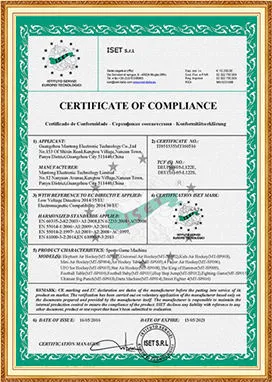
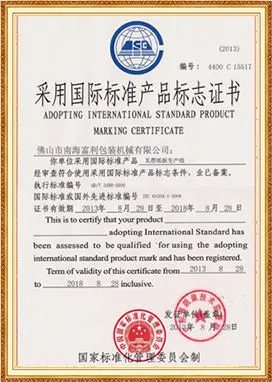
Our Certificate
Our company has advanced technical equipment, rich manufacturing experience, and zero-defect production goals. We have currently obtained multiple certificates and the trust of users at home and abroad.


Ultimate FAQ Guide to Webbing
Q: What is webbing used for?
Q: What type of material is webbing?
Q: What is webbing and how is it constructed?
Q: What are the advantages of polyester webbing?
Q: Does the width of polyester webbing affect its strength?
Q: Is webbing a material?
Q: What webbing doesn't stretch?
Q: What is the lifespan of webbing?
Q: What is the softest webbing?
Q: How can you tell if webbing is polyester or nylon?
Q: How strong is polyester webbing?
Q: Is polypropylene webbing strong?
Q: What are the 4 Main Types of Webbing?
Nylon is very strong and is available in several different types, including nylon 6 and nylon 6,6. It is one of the most commonly used webbing fabrics in the outdoor industry. For this reason, you can easily find nylon in various colors, styles, and applications, including backpack straps and rock climbing safety equipment. It’s a popular choice among rock climbers because of its elasticity and durability. Nylon recovers well, even after extensive stretching. Nylon is also relatively UV-resistant, and as long as you don’t leave it exposed to the sun for months, you will not see much more than 30% loss of strength with nylon 6 and nylon 6,6. The same elasticity that makes it suitable for climbers also makes it a bad choice for hammock suspension. Nylon absorbs water and adds to the weight more than just surface moisture.
Polyester
Polyester is a common choice for webbing in the outdoor industry because it is strong, does not stretch, is UV-stable, and does not absorb water. It also comes in a wide range of widths and strengths. It is about 90% as durable as nylon, and it is one of the most UV-stable webbings available. It is also very resistant to abrasion. These properties make it an excellent choice for hammock suspension and backpack straps.
Polypropylene
Polypropylene is much lighter than other types of webbing fabric and absorbs the least amount of water weight. It floats on the water and is mildew resistant, which might come in handy for some outdoor applications. It also holds up well against stains and damage caused by things like grease and oil. That said, polypropylene is also much weaker than other types of webbing. It has a lower melting point and is less resistant to abrasion than its nylon and polyester counterparts.
Kevlar
Kevlar has a great weight to strength ratio. It is also abrasion and heat resistant. You may know Kevlar from its use in bulletproof vests, but it has recently become a lightweight tree strap alternative. The downside to Kevlar in the outdoor industry is that it has a very low resistance to UV degradation. With as little as 40 hours in noontime sun, Kevlar can lose up to 50% of its strength. Be cautious when using it for human suspension and avoid exposing it to too much UV light. It is recommended that you use it at night or in the shade, and do not leave it exposed to UV light while in storage.
Q: Does polyester webbing fray?
Q: How to find the length of webbing that you need for your securement?
If you are someone who secures various sizes of cargo often such as a professional mover, truck driver, or someone who tends to move cargo of various sizes often it may be a good idea to purchase straps that have extra webbing in order to accommodate various cargo needs over time.
Another quick tip when it comes to purchasing straps that fit various cargo securement needs is color coordinating the straps based on the length of the strap. For example, you could use green color for a 16-foot long strap, blue for a 20-foot strap, and yellow for a 12-foot long strap as an example. This helps you know exactly how long each strap in your inventory is without taking the time to measure the straps before every use in order to help you stay on the road for longer periods of time.
Q: How do you clean nylon webbing?
Q: How is the strength of webbing measured?
Q: How is webbing different from rope?
Q: Can webbing be spliced or sewn together?
Q: Is webbing easy to clean?
Q: How is webbing tested for quality?
We're well-known as one of the leading webbing manufacturers and suppliers in China. Please feel free to wholesale customized webbing at competitive price from our factory. For more information, contact us now.
Three axle Winch, 4 Inch Ordinary Truck Winch, German Type Cable Clamp