

What is the pulling power of a truck winch?
Leave a message

Hey there, folks! As a supplier of truck winches, I've had the pleasure of diving deep into the world of these powerful machines. Today, I want to chat about the pulling power of a truck winch and why it matters so much.
So, what exactly is the pulling power of a truck winch? Well, it's pretty straightforward—it's the amount of force a winch can generate to pull or lift heavy loads. This pulling power is usually measured in pounds or kilograms, and it's a crucial factor to consider when choosing a truck winch for your specific needs.
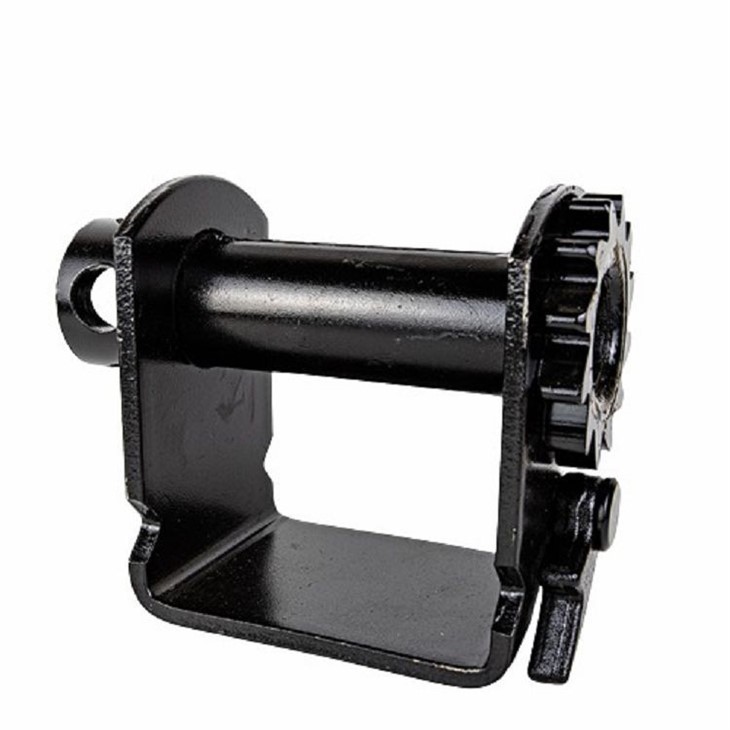
Let's start by understanding how a truck winch works. At its core, a winch consists of a drum around which a cable or rope is wound. When the winch is activated, the drum rotates, pulling in the cable and exerting force on the load. The pulling power of a winch depends on several factors, including the motor's strength, the gear ratio, and the quality of the cable or rope.
The motor is the heart of the winch, and its power determines how much force it can generate. Winches typically come with either electric or hydraulic motors. Electric winches are more common and are suitable for most applications. They're easy to install and operate, and they offer a good balance of power and affordability. Hydraulic winches, on the other hand, are more powerful and are often used in heavy-duty applications. They're more expensive and require a hydraulic system to operate, but they can handle much larger loads.
The gear ratio is another important factor that affects the pulling power of a winch. The gear ratio determines how much torque is applied to the drum, which in turn affects the pulling force. A higher gear ratio means more torque and a stronger pulling force, but it also means a slower winching speed. A lower gear ratio, on the other hand, means less torque and a weaker pulling force, but it allows for a faster winching speed.
The quality of the cable or rope is also crucial. A high-quality cable or rope can withstand more stress and tension, which means it can handle heavier loads without breaking. Steel cables are the most common type of cable used in winches, as they're strong and durable. Synthetic ropes are also becoming more popular, as they're lighter and easier to handle. However, they're not as strong as steel cables and may not be suitable for heavy-duty applications.
Now that we understand the factors that affect the pulling power of a truck winch, let's talk about why it's so important. The pulling power of a winch determines how much weight it can lift or pull, which is crucial for many applications. For example, if you're using a winch to pull a vehicle out of a ditch or mud, you need a winch with enough pulling power to handle the weight of the vehicle. If you're using a winch to lift heavy equipment or materials, you need a winch with enough pulling power to handle the weight of the load.
In addition to the pulling power, it's also important to consider the line speed of the winch. The line speed determines how fast the winch can pull in the cable or rope, which is important for applications where speed is a factor. For example, if you're using a winch to pull a vehicle out of a ditch, you want a winch with a fast line speed so you can get the vehicle out quickly.
At our company, we offer a wide range of truck winches with different pulling powers and line speeds to meet the needs of our customers. We have 4 Inch Ordinary Truck Winch, which is a great option for light to medium-duty applications. It has a pulling power of up to [X] pounds and a line speed of up to [X] feet per minute. We also have 4 Inch Truck Winch with Stopper Spring, which is a more heavy-duty option. It has a pulling power of up to [X] pounds and a line speed of up to [X] feet per minute. And for those who need even more power, we have 4 Inch Sliding Truck Winch, which has a pulling power of up to [X] pounds and a line speed of up to [X] feet per minute.
When choosing a truck winch, it's important to consider your specific needs and requirements. If you're not sure which winch is right for you, our team of experts is here to help. We can answer any questions you may have and help you choose the winch that's best for your application.
In conclusion, the pulling power of a truck winch is a crucial factor to consider when choosing a winch for your specific needs. It determines how much weight the winch can lift or pull, which is important for many applications. At our company, we offer a wide range of truck winches with different pulling powers and line speeds to meet the needs of our customers. If you're in the market for a truck winch, we encourage you to contact us to learn more about our products and how we can help you. We're here to provide you with the best products and services to meet your needs.

References:
- "Truck Winches: How They Work and What to Look For." Popular Mechanics.
- "Winch Buying Guide." 4WheelOnline.
- "The Ultimate Guide to Truck Winches." Four Wheeler.


