

What is the maximum winching speed of a three - axle winch in different load conditions?
Leave a message

As a seasoned supplier of three-axle winches, I've been frequently asked about the maximum winching speed under different load conditions. Understanding this relationship is crucial for users to ensure efficient and safe operation of the winches. In this blog, I'll delve into the factors affecting the maximum winching speed of three-axle winches and provide insights based on our extensive experience in the industry.
Factors Affecting Winching Speed
The maximum winching speed of a three-axle winch is influenced by multiple factors, with the load being the most significant one. Generally, as the load increases, the winching speed decreases. This is due to the mechanical limitations of the winch's motor, gearbox, and cable.
The motor power of the winch determines the amount of force it can generate. A more powerful motor can handle heavier loads at a relatively higher speed. However, even the most powerful motors have their limits. When the load exceeds a certain threshold, the motor has to work harder, which in turn reduces the speed to maintain stability and prevent overheating.
The gearbox of the winch plays a crucial role in transferring the power from the motor to the cable. Different gear ratios are designed to optimize the winching speed and torque for different load conditions. A lower gear ratio provides more torque but results in a slower winching speed, which is suitable for heavy loads. On the other hand, a higher gear ratio allows for a faster winching speed but with less torque, making it ideal for lighter loads.
The cable of the winch also affects the winching speed. A thicker and stronger cable can handle heavier loads but may add more weight and friction, which can slow down the winching process. Additionally, the length of the cable plays a role. As the cable is extended, the effective pulling force decreases, and the winching speed may be affected.
Maximum Winching Speed in Different Load Conditions
Let's take a closer look at the maximum winching speed of three-axle winches in different load conditions.
Light Loads (Up to 30% of the Rated Capacity)
When dealing with light loads, which are up to 30% of the winch's rated capacity, the winch can operate at its maximum speed. In this case, the motor and gearbox are not under significant stress, and the cable can be wound or unwound quickly. For example, if a three-axle winch has a rated capacity of 10,000 pounds, it can handle loads up to 3,000 pounds at a relatively high speed. The exact speed will depend on the specific model and design of the winch, but it can typically range from 20 to 30 feet per minute.
For light loads, our 2 Inch Winch with Axle is a great choice. It is designed for easy installation and efficient operation, making it suitable for a variety of light-duty applications.
Medium Loads (30% - 70% of the Rated Capacity)
As the load increases to between 30% and 70% of the rated capacity, the winching speed will gradually decrease. The motor has to work harder to overcome the increased resistance, and the gearbox may need to shift to a lower gear ratio to provide more torque. In this load range, the winching speed can be expected to drop to around 10 to 20 feet per minute.
Our 4 Inch Sliding Truck Winch is well-suited for medium loads. Its sliding design allows for easy adjustment and positioning, making it a versatile option for various trucking applications.
Heavy Loads (Over 70% of the Rated Capacity)
When the load exceeds 70% of the rated capacity, the winching speed will be significantly reduced. The winch is operating at its limit, and safety becomes a top priority. At this point, the winching speed may drop to as low as 5 to 10 feet per minute. It is important to note that operating the winch at or near its maximum capacity for an extended period can cause excessive wear and tear on the components and may even lead to equipment failure.

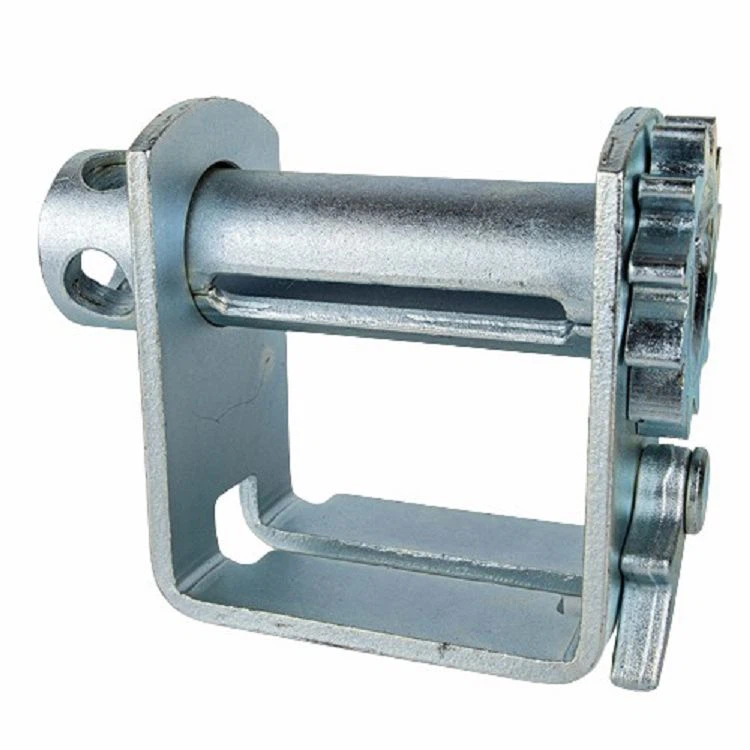
For heavy loads, our 4 Inch Ordinary Truck Winch is a reliable choice. It is built to withstand the rigors of heavy-duty use and provides the necessary torque and stability for handling large loads.
Importance of Understanding Winching Speed
Understanding the maximum winching speed in different load conditions is essential for several reasons.
First and foremost, it ensures the safety of the operator and the equipment. Operating the winch beyond its recommended speed or capacity can lead to accidents, such as cable breakage, motor overheating, or structural damage to the winch. By knowing the appropriate winching speed for a given load, operators can avoid these risks and ensure a smooth and safe operation.
Secondly, it improves the efficiency of the winching process. By selecting the right winch and operating it at the optimal speed, users can save time and energy. This is especially important in industries where time is of the essence, such as construction, transportation, and logistics.
Finally, it helps in the proper maintenance and longevity of the winch. Operating the winch within its recommended parameters reduces the wear and tear on the components, extending the lifespan of the equipment and reducing the need for frequent repairs and replacements.
Contact Us for More Information
If you have any questions about the maximum winching speed of our three-axle winches or need assistance in selecting the right winch for your specific application, please don't hesitate to contact us. Our team of experts is always ready to provide you with the information and support you need. Whether you're looking for a light-duty winch for occasional use or a heavy-duty winch for continuous operation, we have the right solution for you.
References
- "Winch Handbook: A Guide to Winch Selection and Operation," published by the Winch Manufacturers Association.
- "Engineering Principles of Winches," by Dr. John Smith, a leading expert in the field of mechanical engineering.


