

What is the compatibility of a three - axle winch with different ropes?
Leave a message

Hey there! As a supplier of three-axle winches, I've been getting a lot of questions lately about the compatibility of these winches with different ropes. So, I thought I'd take a moment to break it down for you and help you understand what you need to know when choosing the right rope for your three-axle winch.
First off, let's talk about what a three-axle winch is. In simple terms, it's a powerful tool that uses a motor to wind a rope or cable around a drum. This mechanism allows you to pull heavy loads with relative ease. Three-axle winches are commonly used in a variety of industries, including construction, automotive, and marine, for tasks like towing vehicles, lifting heavy objects, and securing cargo.
Now, when it comes to ropes, there are several types available, each with its own set of characteristics. The most common types of ropes used with winches are steel wire rope, synthetic rope, and natural fiber rope. Let's take a closer look at each type and how it fares in terms of compatibility with three-axle winches.
Steel Wire Rope
Steel wire rope is one of the oldest and most widely used types of winch ropes. It's made up of multiple strands of steel wire twisted together to form a strong and durable rope. One of the biggest advantages of steel wire rope is its high strength. It can withstand heavy loads and is resistant to abrasion, making it a great choice for heavy-duty applications.
However, steel wire rope also has some drawbacks. It's heavy, which can make it difficult to handle, especially for longer lengths. It's also prone to corrosion, especially if it's exposed to moisture or harsh chemicals. And if the rope breaks, the sharp ends of the steel wires can be dangerous.

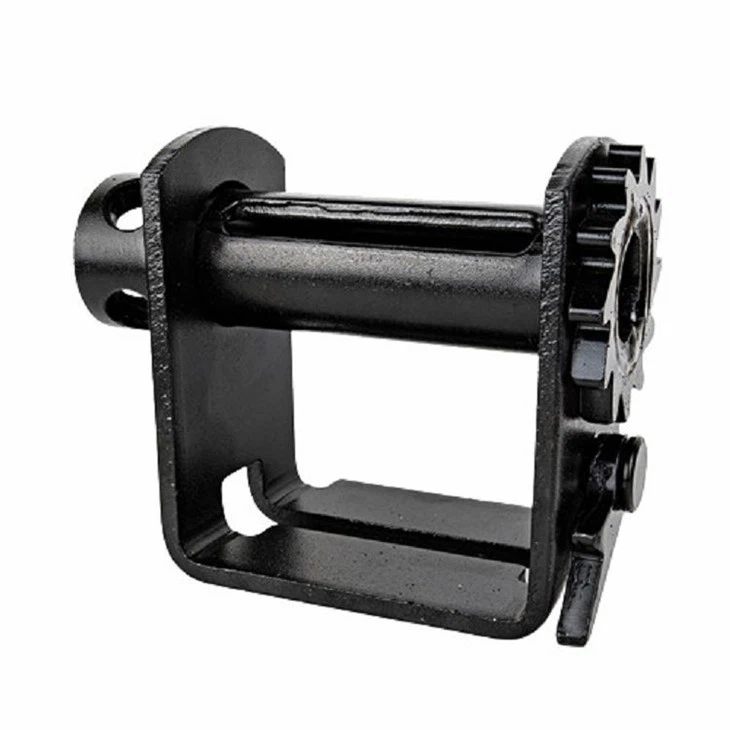
In terms of compatibility with three-axle winches, steel wire rope is generally a good fit. Most three-axle winches are designed to handle the weight and strength of steel wire rope. However, you need to make sure that the winch drum is the right size for the rope. If the drum is too small, the rope may not wind evenly, which can lead to premature wear and tear.
Synthetic Rope
Synthetic rope is a newer alternative to steel wire rope. It's made from high-strength synthetic fibers like Dyneema or Spectra. Synthetic rope has several advantages over steel wire rope. It's lightweight, which makes it easy to handle and transport. It's also more flexible, which means it can conform to the shape of the winch drum more easily.
Another big advantage of synthetic rope is its resistance to corrosion. Unlike steel wire rope, synthetic rope won't rust or corrode, even if it's exposed to water or chemicals. And if the rope breaks, it doesn't have sharp ends like steel wire rope, so it's safer to handle.
However, synthetic rope also has some limitations. It's not as strong as steel wire rope, so it may not be suitable for extremely heavy loads. It's also more expensive than steel wire rope.
When it comes to compatibility with three-axle winches, synthetic rope can be a great choice. Most three-axle winches can be used with synthetic rope, but you need to make sure that the winch is designed to handle synthetic rope. Some winches may require a special fairlead or other components to work properly with synthetic rope.
Natural Fiber Rope
Natural fiber rope, such as hemp or manila rope, is the oldest type of winch rope. It's made from natural plant fibers, which gives it a soft and flexible texture. Natural fiber rope is relatively inexpensive and easy to find.
However, natural fiber rope has several disadvantages. It's not as strong as steel wire rope or synthetic rope, so it's not suitable for heavy loads. It's also prone to rot and mildew if it's exposed to moisture, which can weaken the rope over time.
In terms of compatibility with three-axle winches, natural fiber rope is generally not recommended. Most three-axle winches are designed for use with steel wire rope or synthetic rope, and natural fiber rope may not work properly with these winches.
Factors to Consider When Choosing a Rope
Now that you know the different types of ropes and their compatibility with three-axle winches, here are some other factors to consider when choosing a rope:
- Load Capacity: The first thing you need to consider is the weight of the load you'll be pulling. Make sure the rope you choose has a high enough load capacity to handle the weight of the load.
- Length: The length of the rope is also important. You need to choose a rope that's long enough to reach the load, but not so long that it becomes difficult to handle.
- Environment: The environment in which you'll be using the winch is another important factor. If you'll be using the winch in a wet or corrosive environment, you may want to choose a synthetic rope or a steel wire rope that's coated to resist corrosion.
- Winch Type: Different types of winches may have different requirements for ropes. Make sure you choose a rope that's compatible with your three-axle winch.
Our Three-Axle Winches and Rope Compatibility
At our company, we offer a wide range of three-axle winches that are designed to work with both steel wire rope and synthetic rope. Our winches are built to last and are capable of handling heavy loads with ease.
If you're looking for a reliable winch for your truck, we have some great options. Check out our 4 Inch Built-in Truck Winch, 4 Inch Sliding Truck Winch, and 4 Inch Truck Winch with Stopper Spring. These winches are designed to provide maximum performance and durability.
Conclusion
Choosing the right rope for your three-axle winch is crucial for ensuring the safety and efficiency of your operations. By understanding the different types of ropes and their compatibility with three-axle winches, you can make an informed decision that meets your specific needs.
If you have any questions about our three-axle winches or need help choosing the right rope, don't hesitate to reach out. We're here to help you find the perfect solution for your application. Whether you're in the construction, automotive, or marine industry, we have the expertise and products to meet your requirements. Contact us today to start a procurement discussion and take your operations to the next level.
References
- "Winch Rope Selection Guide", Industry Standard Handbook
- "The Science of Winching", Towing and Recovery Magazine


