

What are the best practices for using a truck winch for off - road recovery?
Leave a message

Hey there, off - road enthusiasts! As a truck winch supplier, I've seen firsthand how a good winch can be a game - changer when you're stuck in the wild. In this blog, I'm gonna share some of the best practices for using a truck winch for off - road recovery.
Pre - Use Checks
Before you even think about hooking up your winch, you've gotta do a thorough check. First off, inspect the winch itself. Look for any signs of damage like frayed cables, loose bolts, or worn - out gears. A damaged winch is not only ineffective but can also be dangerous.
Check the cable or rope. If it's a steel cable, look for kinks, rust, or broken strands. For synthetic ropes, check for cuts, abrasions, or signs of melting. Replace any damaged cables or ropes immediately.
Next, make sure the winch is properly mounted. It should be securely attached to your vehicle's frame. A loose winch can come off during operation and cause serious injury. Also, check the electrical connections. Make sure the battery is fully charged and the cables are clean and tight. Loose or corroded connections can cause the winch to malfunction.
Selecting the Right Anchor Point
Choosing the right anchor point is crucial. You need a solid, immovable object that can withstand the force of the winch. Trees are a common choice, but make sure they're healthy and large enough. A small or diseased tree might break under the strain.
When using a tree as an anchor, use a tree saver strap. This distributes the force over a larger area of the tree, preventing damage. Don't wrap the winch cable directly around the tree as it can cut into the bark and weaken the tree.
If there are no trees, you can use other objects like rocks or large boulders. But make sure they're heavy and stable. You can also use an anchor kit, which can be buried in the ground for a secure anchor point.
Proper Cable or Rope Management
When spooling the cable or rope, make sure it's done evenly. Uneven spooling can cause the cable to bind or tangle, which can lead to a loss of power or even damage the winch. If you're using a synthetic rope, be extra careful as it can be more prone to tangling.
When extending the cable, keep it clear of any sharp edges or objects that could cut it. Also, make sure there's no slack in the cable. A slack cable can get caught in the winch drum and cause damage.
When the winch is in operation, stay clear of the cable. The cable can snap under extreme tension, and if it does, it can cause serious injury. Always stand to the side of the cable, not in line with it.
Using Winch Accessories
There are several winch accessories that can make off - road recovery easier and safer. One of the most useful accessories is a snatch block. A snatch block can change the direction of the cable and also double the pulling power of the winch.
For example, if you need to pull your vehicle from an angle, a snatch block can redirect the cable to the right direction. And if you're dealing with a heavy load, using a snatch block can effectively double the pulling capacity of your winch.
Another useful accessory is a winch hook strap. This attaches to the winch hook and provides an extra layer of safety. If the hook comes loose, the strap will keep the cable from whipping around.
Winching Techniques
When winching, start slowly. Don't just yank on the cable full - force right away. This can cause the cable to break or the anchor point to fail. Start with a gentle pull to take up the slack in the cable.
If the vehicle is stuck in mud or sand, you can use a rocking motion. Alternately winch in and reverse the winch slightly to rock the vehicle back and forth. This can help free the vehicle from the mud or sand.

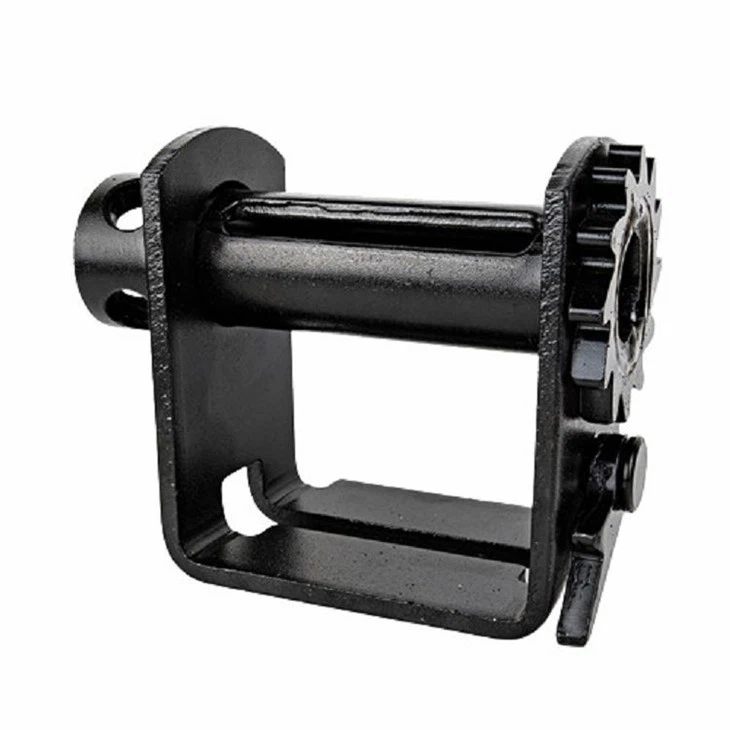
If the winch starts to overheat, stop and let it cool down. Overheating can damage the winch motor. You can also use a winch cooler if you expect to do a lot of winching.
After - Use Maintenance
Once you're done with the winching, it's important to do some maintenance. Clean the winch thoroughly. Remove any dirt, mud, or debris from the winch and the cable. This helps prevent corrosion and damage.
Inspect the cable or rope again for any damage that might have occurred during use. If there are any issues, address them immediately. Also, check the winch's gears and bearings. Lubricate them if necessary.
Our Truck Winch Products
We offer a wide range of high - quality truck winches that are perfect for off - road recovery. Check out our 4 Inch Detachable Truck Winch. It's easy to install and remove, making it convenient for different applications.
Our 4 Inch Sliding Truck Winch is great for adjusting the position of the winch according to your needs. And if you're looking for a more heavy - duty option, our Three - axle Winch is a powerful choice.
If you're interested in our products or have any questions about truck winches, feel free to reach out. We're here to help you find the best winch for your off - road adventures. Whether you're a weekend warrior or a professional off - roader, we've got the right winch for you. Contact us for more information and let's start the procurement and negotiation process.
References
- "Off - Road Recovery Handbook" by Off - Road Experts
- Manufacturer's manuals for truck winches


