

How to adjust the speed of a multi - speed three - axle winch?
Leave a message

As a seasoned supplier of three-axle winches, I've encountered numerous inquiries regarding the speed adjustment of multi-speed three-axle winches. This blog post aims to provide a comprehensive guide on how to adjust the speed of these winches effectively and safely.
Understanding the Basics of a Multi-Speed Three-Axle Winch
Before delving into the speed adjustment process, it's crucial to understand the fundamental components and operation of a multi-speed three-axle winch. A three-axle winch typically consists of three main axles, each with its own set of gears and a drum for winding the cable. The multi-speed feature allows the winch to operate at different speeds, providing flexibility depending on the specific application.
The speed of a winch is determined by the gear ratio between the motor and the drum. A lower gear ratio results in a slower speed but higher torque, which is ideal for heavy lifting or pulling tasks. Conversely, a higher gear ratio provides a faster speed but lower torque, suitable for lighter loads or when speed is a priority.
Factors Affecting Winch Speed
Several factors can influence the speed of a multi-speed three-axle winch. Understanding these factors is essential for making accurate speed adjustments.
- Load Weight: The weight of the load being lifted or pulled is one of the most significant factors affecting winch speed. Heavier loads require more torque, which often means using a lower gear ratio and slower speed.
- Cable Length and Diameter: The length and diameter of the cable also play a role in winch speed. Longer cables or cables with a larger diameter can increase the resistance, reducing the winch's speed.
- Motor Power: The power of the winch motor determines the maximum speed and torque the winch can achieve. A more powerful motor can generally operate at higher speeds and handle heavier loads.
- Gear Ratio: As mentioned earlier, the gear ratio is a crucial factor in determining winch speed. Different gear ratios provide different speed and torque combinations.
Steps to Adjust the Speed of a Multi-Speed Three-Axle Winch
Now that we have a basic understanding of the winch and the factors affecting its speed, let's explore the steps to adjust the speed.
Step 1: Determine the Required Speed
The first step is to determine the appropriate speed for your specific application. Consider the load weight, the distance the load needs to be moved, and the urgency of the task. If you're lifting a heavy load over a short distance, a slower speed with higher torque may be necessary. On the other hand, if you're moving a lighter load quickly, a higher speed may be more suitable.
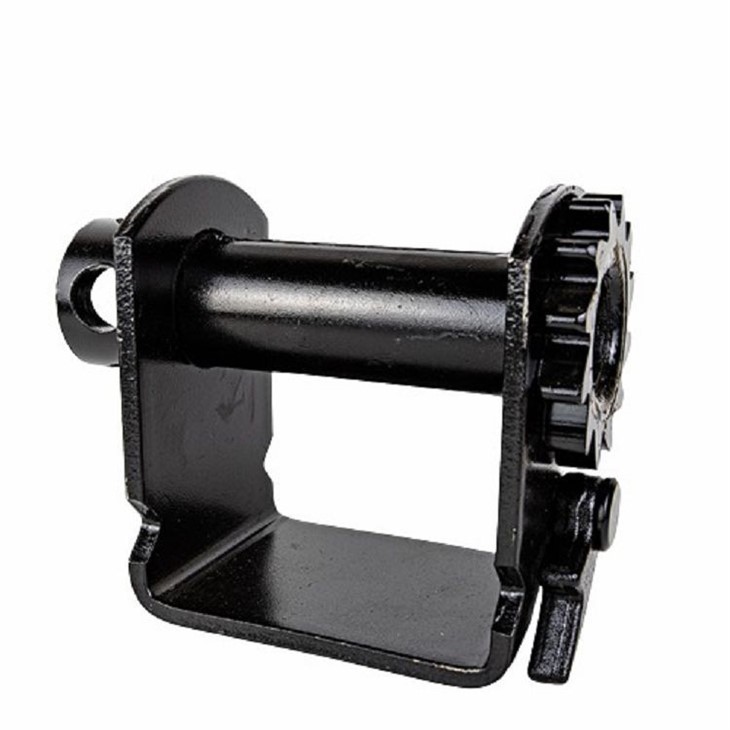
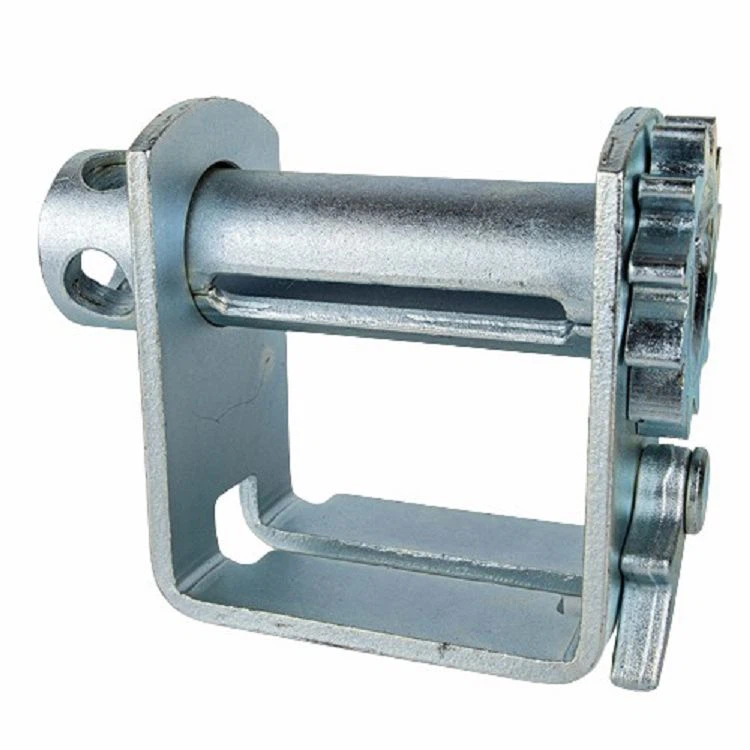
Step 2: Identify the Gear Settings
Most multi-speed three-axle winches have a gear selector or a control panel that allows you to choose different gear ratios. Refer to the winch's user manual to identify the available gear settings and their corresponding speeds and torque ratings.
Step 3: Select the Appropriate Gear
Based on your determination in Step 1, select the appropriate gear on the winch. If you need more torque for a heavy load, choose a lower gear. If speed is your priority, select a higher gear.
Step 4: Test the Winch
Before starting the actual operation, it's important to test the winch at the selected speed. Engage the winch and observe its performance. Make sure the winch is operating smoothly and that the speed is appropriate for the task.
Step 5: Make Fine Adjustments
If the speed is not exactly what you need, you can make fine adjustments. Some winches allow for incremental speed changes within a particular gear range. Refer to the user manual for instructions on how to make these fine adjustments.
Safety Precautions
When adjusting the speed of a multi-speed three-axle winch, it's essential to follow these safety precautions:
- Read the User Manual: Always read and understand the winch's user manual before making any adjustments. The manual provides specific instructions and safety guidelines for your winch model.
- Wear Protective Gear: Wear appropriate protective gear, such as gloves and safety glasses, when operating the winch.
- Inspect the Winch: Before each use, inspect the winch for any signs of damage or wear. Make sure all components are in good working condition.
- Secure the Load: Ensure that the load is properly secured to the winch cable to prevent it from slipping or falling during operation.
- Avoid Overloading: Do not exceed the winch's rated capacity. Overloading can cause damage to the winch and pose a safety hazard.
Applications of Different Winch Speeds
Different winch speeds are suitable for various applications. Here are some common examples:
- Heavy Lifting: When lifting heavy objects, such as large machinery or construction materials, a slower speed with higher torque is typically required. This ensures that the load is lifted safely and steadily.
- Light Loads and Quick Moves: For lighter loads or when speed is a priority, such as moving small equipment or materials over a short distance, a higher speed can be used.
- Towing: When towing vehicles or trailers, the appropriate winch speed depends on the weight of the towed object and the terrain. In some cases, a slower speed may be necessary to maintain control.
Our Three-Axle Winch Products
As a leading supplier of three-axle winches, we offer a wide range of high-quality products to meet your specific needs. Our winches are designed with advanced technology and precision engineering to ensure reliable performance and long service life.
In addition to our three-axle winches, we also provide a variety of other winch products, such as the 4 Inch Ordinary Truck Winch, 4 Inch Built-in Truck Winch, and 4 Inch Sliding Truck Winch. These truck winches are suitable for various cargo control applications and offer different features and specifications to meet your requirements.
Contact Us for Purchase and Consultation
If you're interested in our three-axle winches or other winch products, we invite you to contact us for more information. Our experienced sales team is ready to assist you in selecting the right winch for your application and providing professional advice on speed adjustment and operation. Whether you have a specific project in mind or simply want to learn more about our products, we're here to help.
References
- Winch Manufacturer's User Manuals
- Industry Standards and Guidelines for Winch Operation


