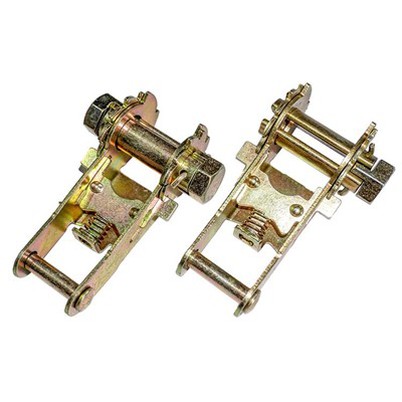
How does the design of a Portable Hand Puller impact its usability?
Leave a message

Portable hand pullers are essential tools in various industries, from logistics and transportation to construction and manufacturing. As a supplier of portable hand pullers, I've witnessed firsthand how the design of these tools can significantly impact their usability. In this blog post, I'll delve into the key design elements that influence the usability of portable hand pullers and why they matter.
Ergonomics: The Foundation of Usability
One of the most critical aspects of a portable hand puller's design is its ergonomics. Ergonomics refers to the design of products to fit the human body's natural movements and capabilities, reducing discomfort and fatigue during use. A well-designed hand puller should be comfortable to hold and operate, even during extended periods of use.
- Handle Design: The handle is the primary point of contact between the user and the hand puller, so its design is crucial. A comfortable handle should have a proper grip size and shape that fits the hand naturally. It should also be made of a non-slip material to ensure a secure hold, especially when the user's hands are wet or greasy. For example, our Cable Puller with Belt and Insulated Handle features an ergonomic handle design that provides a comfortable and secure grip, reducing the risk of hand fatigue and injuries.
- Weight Distribution: Another important factor in ergonomics is the weight distribution of the hand puller. A well-balanced hand puller will feel lighter and easier to maneuver, reducing the strain on the user's arms and shoulders. Our engineers carefully design our hand pullers to ensure optimal weight distribution, making them more comfortable and efficient to use.
Durability and Reliability: Ensuring Long-Term Usability
Portable hand pullers are often used in demanding environments, so they need to be durable and reliable. A well-designed hand puller should be able to withstand the rigors of daily use without breaking down or malfunctioning.
- Material Selection: The choice of materials is crucial in determining the durability of a hand puller. High-quality materials, such as steel and aluminum, are commonly used in the construction of hand pullers due to their strength and resistance to corrosion. Our hand pullers are made from premium materials that are carefully selected for their durability and reliability. For example, our 1.5T New Vehicle Strapping Hand Puller is made from high-strength steel, ensuring long-lasting performance even in the toughest conditions.
- Build Quality: In addition to material selection, the build quality of a hand puller also plays a significant role in its durability. A well-built hand puller should have precise machining and assembly to ensure smooth operation and minimal wear and tear. Our manufacturing processes are carefully controlled to ensure the highest level of build quality, resulting in hand pullers that are reliable and long-lasting.
Versatility: Adapting to Different Applications
Portable hand pullers are used in a wide range of applications, so they need to be versatile and adaptable. A well-designed hand puller should be able to handle different types of loads and work in various environments.
- Adjustability: Many hand pullers feature adjustable components, such as straps and hooks, to accommodate different load sizes and shapes. Our Hand Puller with Belt is designed with an adjustable belt that can be easily adjusted to fit different loads, making it a versatile tool for various applications.
- Compatibility: Another important aspect of versatility is compatibility with other tools and equipment. A hand puller that can be easily integrated with other tools, such as winches and hoists, will provide more flexibility and functionality. Our hand pullers are designed to be compatible with a wide range of accessories and attachments, allowing users to customize their tools to meet their specific needs.
Ease of Maintenance: Keeping the Hand Puller in Top Condition
Regular maintenance is essential to ensure the long-term usability of a portable hand puller. A well-designed hand puller should be easy to maintain, with accessible parts and simple maintenance procedures.
- Accessible Parts: The design of a hand puller should allow for easy access to its internal components, making it easier to perform maintenance tasks such as lubrication and inspection. Our hand pullers are designed with removable covers and easy-to-reach parts, making them easy to maintain and service.
- Simple Maintenance Procedures: In addition to accessible parts, the maintenance procedures for a hand puller should be simple and straightforward. Our user manuals provide detailed instructions on how to perform routine maintenance tasks, such as cleaning, lubrication, and inspection, ensuring that our customers can keep their hand pullers in top condition.
Conclusion
In conclusion, the design of a portable hand puller plays a crucial role in its usability. A well-designed hand puller should be ergonomic, durable, reliable, versatile, and easy to maintain. At our company, we are committed to designing and manufacturing high-quality hand pullers that meet the needs of our customers. Our products are designed with the latest technology and materials to ensure optimal performance and usability.
If you're in the market for a portable hand puller, we invite you to explore our range of products. Our experienced sales team is ready to assist you in finding the right hand puller for your specific needs. Contact us today to start a discussion about your requirements and explore how our hand pullers can enhance your operations.


References
- Norman, D. A. (2013). The Design of Everyday Things. Basic Books.
- Sanders, M. S., & McCormick, E. J. (1993). Human Factors in Engineering and Design. McGraw-Hill.
- Salvendy, G. (Ed.). (2012). Handbook of Human Factors and Ergonomics. Wiley.