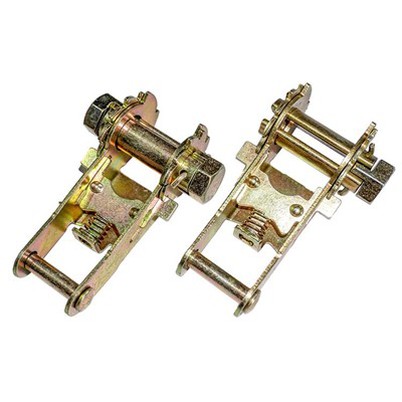
How do you install a tow hook?
Leave a message

Installing a tow hook is a practical and essential task for anyone who may need to tow a vehicle or secure heavy loads. As a tow hook supplier, I've seen firsthand the importance of proper installation to ensure safety and functionality. In this blog post, I'll guide you through the process of installing a tow hook step by step, providing you with the knowledge and confidence to do it right.
Why Install a Tow Hook?
Before we dive into the installation process, let's briefly discuss why you might want to install a tow hook. Tow hooks are incredibly versatile and can be used in various situations. Whether you're planning to tow a trailer, help a friend whose vehicle has broken down, or secure a heavy load on your truck bed, a tow hook is a valuable addition to your vehicle. It provides a reliable attachment point that can withstand the forces involved in towing or securing, giving you peace of mind on the road.
Tools and Materials You'll Need
To install a tow hook, you'll need the following tools and materials:
- Tow hook: You can find a wide range of tow hooks on our website, including Tow Hook. Make sure to choose a tow hook that is compatible with your vehicle's make and model and has the appropriate weight capacity for your intended use.
- Socket set: A socket set with various sizes will be needed to remove and install bolts.
- Wrench: A wrench may be required to tighten nuts and bolts.
- Drill: If your vehicle does not have pre-drilled holes for the tow hook, you'll need a drill to create them.
- Drill bits: Make sure to choose drill bits that are the appropriate size for the bolts used with your tow hook.
- Thread locker: Thread locker helps prevent bolts from loosening over time due to vibration.
- Measuring tape: A measuring tape will be useful for ensuring proper alignment during installation.
- Safety glasses and gloves: Always wear safety glasses and gloves to protect yourself during the installation process.
Step-by-Step Installation Guide
Now that you have all the necessary tools and materials, let's get started with the installation process.


Step 1: Prepare Your Vehicle
- Park your vehicle on a flat, level surface and engage the parking brake.
- Open the hood of your vehicle and locate the area where you'll be installing the tow hook. This is typically at the front or rear of the vehicle, near the frame.
- Clean the area where the tow hook will be installed to remove any dirt, debris, or rust. This will ensure a secure and proper fit.
Step 2: Locate the Mounting Points
- Refer to your vehicle's owner's manual or the tow hook installation instructions to locate the mounting points. These are usually pre-drilled holes in the frame of your vehicle.
- If your vehicle does not have pre-drilled holes, you'll need to use a drill to create them. Make sure to measure and mark the location of the holes carefully to ensure proper alignment.
Step 3: Install the Tow Hook
- Place the tow hook over the mounting points and align the holes in the tow hook with the holes in the frame.
- Insert the bolts through the holes in the tow hook and the frame. Make sure to use the appropriate size bolts and washers.
- Tighten the bolts using a socket set or wrench. Make sure to tighten the bolts evenly to ensure a secure fit.
- Apply thread locker to the bolts to prevent them from loosening over time.
Step 4: Check the Installation
- Once the tow hook is installed, check to make sure it is securely attached to the vehicle. Give the tow hook a gentle tug to ensure it does not move or wiggle.
- Check the alignment of the tow hook to make sure it is straight and centered. If necessary, make any adjustments by loosening the bolts and repositioning the tow hook.
- Double-check all the bolts and nuts to make sure they are tightened properly.
Step 5: Test the Tow Hook
- Before using the tow hook, it's important to test it to make sure it is working properly. Attach a chain or strap to the tow hook and apply a small amount of tension to make sure the tow hook holds securely.
- Make sure the chain or strap is properly attached to the tow hook and does not come loose during the test.
- If the tow hook passes the test, you're ready to use it for towing or securing heavy loads.
Tips and Tricks
- Always follow the manufacturer's instructions when installing a tow hook. This will ensure that the tow hook is installed correctly and safely.
- If you're unsure about any part of the installation process, consult a professional mechanic or tow hook installer.
- Make sure to choose a tow hook with the appropriate weight capacity for your intended use. Overloading a tow hook can cause it to fail, which can be dangerous.
- Regularly inspect your tow hook for signs of wear, damage, or corrosion. If you notice any issues, replace the tow hook immediately.
Other Types of Hooks
In addition to tow hooks, we also offer a variety of other hooks that may be useful for your cargo control needs. For example, our U Hook is a versatile hook that can be used for a variety of applications, including securing ropes, chains, and straps. Our Single J Hook is another popular option that is commonly used for hanging items or securing loads.
Conclusion
Installing a tow hook is a relatively simple process that can provide you with a valuable tool for towing and securing heavy loads. By following the steps outlined in this blog post and using the right tools and materials, you can install a tow hook safely and effectively. If you have any questions or need further assistance, please don't hesitate to contact us. We're here to help you find the right tow hook for your vehicle and ensure that it is installed correctly.
As a tow hook supplier, we're committed to providing our customers with high-quality products and excellent customer service. If you're interested in purchasing a tow hook or any other cargo control products, please visit our website or contact us to discuss your needs. We look forward to working with you!
References
- Vehicle owner's manual
- Tow hook installation instructions