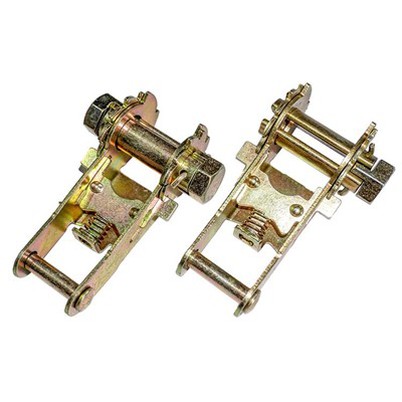
Can a tow hook be used in extreme weather conditions?
Leave a message

As a seasoned tow hook supplier, I've encountered numerous inquiries regarding the performance of tow hooks in extreme weather conditions. This blog post aims to delve into this topic, providing you with comprehensive insights based on scientific knowledge and practical experience.
Understanding Extreme Weather Conditions
Extreme weather conditions encompass a wide range of environmental phenomena, including heavy snow, freezing rain, intense heat, high humidity, and powerful winds. Each of these conditions can pose unique challenges to the functionality and durability of tow hooks.
Cold Weather
In cold climates, sub-zero temperatures can cause metals to become brittle, increasing the risk of fractures and failures. Snow and ice accumulation can also impede the proper operation of tow hooks, making it difficult to attach and detach them securely. Additionally, freezing rain can create a layer of ice on the tow hook surface, reducing its grip and potentially leading to slippage during towing.
Hot Weather
High temperatures can have a detrimental effect on the mechanical properties of tow hooks. Prolonged exposure to extreme heat can cause the metal to expand, leading to loosening of connections and reduced structural integrity. Moreover, intense sunlight can accelerate the oxidation process, causing the tow hook to rust and corrode over time.
Humid and Salty Environments
Humidity and saltwater exposure are major contributors to corrosion. In coastal areas or regions with high humidity levels, the moisture in the air can react with the metal surface of the tow hook, forming rust and other corrosive compounds. Saltwater, in particular, is highly corrosive and can significantly shorten the lifespan of a tow hook if not properly protected.


High Winds
Powerful winds can exert significant forces on tow hooks, especially when towing large or heavy objects. Strong gusts can cause the tow hook to vibrate or sway, potentially leading to fatigue and stress fractures. In extreme cases, high winds can even cause the tow hook to break free from the vehicle, posing a serious safety hazard.
The Impact of Extreme Weather on Tow Hooks
The performance of tow hooks in extreme weather conditions depends on several factors, including the material composition, design, and manufacturing quality. Let's take a closer look at how these factors can be affected by different weather conditions.
Material Composition
Tow hooks are typically made from high-strength steel or other alloy materials. However, the specific composition of the metal can vary, and some materials are more resistant to extreme weather conditions than others. For example, stainless steel is known for its excellent corrosion resistance, making it a popular choice for tow hooks used in humid or salty environments. On the other hand, carbon steel is stronger and more durable but may be more susceptible to rust and corrosion if not properly coated or treated.
Design
The design of a tow hook can also play a crucial role in its performance in extreme weather conditions. A well-designed tow hook should have a secure locking mechanism to prevent it from coming loose during towing. It should also have a smooth surface to minimize the accumulation of snow, ice, or debris. Additionally, some tow hooks are designed with special features, such as reinforced brackets or shock-absorbing elements, to enhance their durability and stability in harsh environments.
Manufacturing Quality
The manufacturing process can have a significant impact on the quality and performance of tow hooks. High-quality tow hooks are typically manufactured using advanced techniques and strict quality control measures to ensure that they meet or exceed industry standards. This includes proper heat treatment, surface finishing, and dimensional accuracy. A poorly manufactured tow hook may be more prone to defects, such as cracks, porosity, or uneven surfaces, which can compromise its strength and reliability in extreme weather conditions.
Choosing the Right Tow Hook for Extreme Weather Conditions
When selecting a tow hook for use in extreme weather conditions, it's important to consider the specific requirements of your application. Here are some key factors to keep in mind:
Material Selection
As mentioned earlier, stainless steel is an excellent choice for tow hooks used in humid or salty environments due to its corrosion resistance. However, if you're operating in extremely cold temperatures, you may want to consider a tow hook made from a high-strength alloy that can withstand low temperatures without becoming brittle.
Design Features
Look for tow hooks with features that are specifically designed to enhance their performance in extreme weather conditions. For example, some tow hooks have a protective coating or finish to prevent rust and corrosion. Others may have a locking mechanism that is less likely to freeze or jam in cold weather.
Certification and Standards
Make sure the tow hook you choose meets or exceeds relevant industry standards and certifications. This includes standards for strength, durability, and safety. Look for tow hooks that are certified by organizations such as the Society of Automotive Engineers (SAE) or the International Organization for Standardization (ISO).
Compatibility
Ensure that the tow hook you select is compatible with your vehicle. This includes checking the size, shape, and mounting requirements of the tow hook to ensure that it fits properly on your vehicle's frame or hitch.
Our Tow Hook Products for Extreme Weather Conditions
At our company, we offer a wide range of tow hooks that are specifically designed to perform in extreme weather conditions. Our tow hooks are made from high-quality materials and are manufactured using advanced techniques to ensure maximum strength and durability.
Accessory Metal Flat J Hook
Our Accessory Metal Flat J Hook is a versatile and reliable option for towing in various weather conditions. It features a flat J-shaped design that provides a secure attachment point for your towing equipment. The hook is made from high-strength steel and is coated with a corrosion-resistant finish to protect it from rust and other environmental damage.
Double J Hook
The Double J Hook is another popular choice for extreme weather towing. This hook features two J-shaped ends that provide a double layer of security, making it ideal for heavy-duty towing applications. The double J hook is also made from high-quality steel and is designed to withstand the rigors of extreme weather conditions.
Forged Hook
Our Forged Hook is a premium tow hook that is built to last. It is made from a single piece of forged steel, which gives it exceptional strength and durability. The forged hook is also heat-treated to enhance its hardness and resistance to wear and tear. This makes it an excellent choice for towing in extreme weather conditions, where reliability and performance are crucial.
Conclusion
In conclusion, while tow hooks can be used in extreme weather conditions, it's important to choose the right product for your specific needs. By considering factors such as material composition, design features, and manufacturing quality, you can ensure that your tow hook will perform reliably and safely in even the most challenging environments.
If you're in the market for a high-quality tow hook that can withstand extreme weather conditions, we invite you to explore our product range. Our team of experts is always available to answer your questions and help you select the right tow hook for your application. Contact us today to start a conversation about your towing needs and discover how our tow hooks can meet your requirements.
References
- Society of Automotive Engineers (SAE). (Year). SAE J684: Towing Hitch Systems.
- International Organization for Standardization (ISO). (Year). ISO 1103: Road Vehicles - Towing Hitches - Classification.
- Corrosion Prevention Association. (Year). Guide to Corrosion Prevention in Metal Products.