Can a ratchet buckle be used for heavy - duty applications?
Leave a message

In the realm of cargo control and heavy - duty applications, the question of whether a ratchet buckle can be used for such demanding tasks is of great significance. As a supplier of ratchet buckles, I have witnessed firsthand the diverse applications and capabilities of these essential tools. In this blog, we will explore the potential of ratchet buckles in heavy - duty scenarios, examining their design, functionality, and limitations.
Understanding Ratchet Buckles
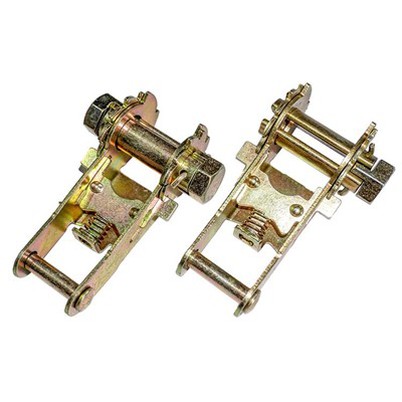
Ratchet buckles are mechanical devices used to tighten and secure straps. They typically consist of a ratchet mechanism, a spool for winding the strap, and two end plates with slots for the strap to pass through. The ratchet mechanism allows for easy tightening of the strap by a series of clicks, and it can be released by simply lifting a lever. This design makes ratchet buckles highly efficient for securing loads, as they can quickly and effectively apply tension to a strap.
There are various types of ratchet buckles available in the market, each with its own unique features and applications. For instance, the Hexagonal Ratchet Buckle offers a distinct shape that may provide better grip and handling in certain situations. Its hexagonal design can be more ergonomic, allowing users to operate the buckle with greater ease, especially when dealing with heavy - duty tasks where a firm hold is crucial.
The 1.5 Inch Ratchet Buckle is another popular option. The 1.5 - inch width provides a good balance between strength and flexibility. It can accommodate a wide range of strap materials and is suitable for many medium - to heavy - duty applications. The size of the buckle is an important factor, as it determines the compatibility with different types of straps and the overall load - bearing capacity.
The 1.5 Inch Fixed Type Ratchet Buckle is designed with a fixed structure, which can offer enhanced stability. This type of buckle is often used in applications where a more rigid connection is required, such as securing large and heavy objects during transportation.
Heavy - Duty Applications and Requirements
Heavy - duty applications typically involve securing large, heavy, or irregularly shaped loads. These can include construction materials, industrial equipment, vehicles, and agricultural products. In such scenarios, the requirements for a securing device are much more stringent.
One of the primary requirements is high strength. The ratchet buckle must be able to withstand significant tension without breaking or deforming. This is crucial to ensure the safety of the load during transportation or storage. For example, when securing a large piece of construction machinery on a flatbed truck, the ratchet buckle needs to be strong enough to prevent the machinery from shifting or falling off during transit.
Durability is another key factor. Heavy - duty applications often expose the ratchet buckle to harsh environments, including extreme temperatures, moisture, and abrasion. A durable ratchet buckle should be made of high - quality materials that can resist corrosion, wear, and tear. For instance, a buckle made of stainless steel or high - grade alloy can offer better resistance to rust and damage, ensuring a longer service life.
Ease of use is also important in heavy - duty applications. Workers may need to operate the ratchet buckle quickly and efficiently, often in challenging conditions. A well - designed buckle with a smooth - operating ratchet mechanism and easy - to - reach release lever can significantly improve productivity and reduce the risk of accidents.
Can Ratchet Buckles Meet Heavy - Duty Requirements?
The answer is yes, ratchet buckles can be used for heavy - duty applications, but it depends on several factors.
Strength
Many ratchet buckles are designed to handle high levels of tension. High - quality ratchet buckles are often rated for a specific working load limit (WLL). This rating indicates the maximum amount of tension the buckle can safely withstand under normal operating conditions. For heavy - duty applications, it is essential to choose a ratchet buckle with a WLL that exceeds the expected load. For example, if you are securing a load that requires a tension of 2000 pounds, you should select a ratchet buckle with a WLL of at least 2000 pounds or higher.
The materials used in the construction of the ratchet buckle also play a crucial role in determining its strength. As mentioned earlier, stainless steel and high - grade alloys are commonly used for heavy - duty ratchet buckles. These materials have high tensile strength and can withstand the forces exerted during heavy - duty applications.
Durability
To ensure durability in heavy - duty applications, ratchet buckles are often treated with special coatings or finishes. For example, a powder - coated finish can provide an extra layer of protection against corrosion and abrasion. Some buckles are also designed with reinforced components, such as thicker end plates and stronger ratchet teeth, to enhance their durability.
In addition, the design of the buckle can contribute to its durability. A well - engineered ratchet mechanism with proper lubrication and minimal moving parts can reduce the risk of wear and tear. This ensures that the buckle remains functional even after repeated use in harsh conditions.
Ease of Use
Ratchet buckles are generally designed to be user - friendly. The ratchet mechanism allows for incremental tightening, which makes it easy to achieve the desired level of tension. The release lever is typically located in a convenient position, allowing users to quickly release the tension when needed.
For heavy - duty applications, some ratchet buckles are equipped with additional features to improve ease of use. For example, some buckles have oversized handles or padded grips, which can make it easier to operate the buckle, especially when wearing gloves.
Limitations of Ratchet Buckles in Heavy - Duty Applications
While ratchet buckles can be suitable for many heavy - duty applications, they do have some limitations.
One limitation is the potential for over - tightening. If a user applies too much tension to the strap using the ratchet buckle, it can cause damage to the strap or the buckle itself. Over - tightening can also put excessive stress on the load, which may lead to damage or instability.
Another limitation is the complexity of the ratchet mechanism. In some cases, the ratchet mechanism can become jammed or malfunction, especially if it is not properly maintained. This can be a significant issue in heavy - duty applications, where a reliable securing device is essential.
Choosing the Right Ratchet Buckle for Heavy - Duty Applications
When selecting a ratchet buckle for heavy - duty applications, there are several factors to consider.


First, determine the working load limit required for your application. This can be calculated based on the weight and size of the load, as well as the expected forces during transportation or storage. Choose a ratchet buckle with a WLL that meets or exceeds this requirement.
Second, consider the environment in which the ratchet buckle will be used. If the application involves exposure to moisture, chemicals, or extreme temperatures, choose a buckle made of materials that can withstand these conditions.
Third, evaluate the ease of use. Look for a ratchet buckle with a smooth - operating ratchet mechanism, an easy - to - reach release lever, and features that make it comfortable to handle.
Conclusion
In conclusion, ratchet buckles can be effectively used for heavy - duty applications, provided that the right buckle is chosen based on the specific requirements. With their high strength, durability, and ease of use, ratchet buckles offer a reliable solution for securing heavy loads. However, it is important to be aware of their limitations and take proper precautions to ensure safe and effective use.
If you are in need of high - quality ratchet buckles for your heavy - duty applications, we are here to help. As a professional ratchet buckle supplier, we offer a wide range of products to meet your diverse needs. Contact us to discuss your requirements and start a procurement negotiation.
References
- Cargo Control Handbook, 2nd Edition
- Industrial Strapping and Securing Standards Manual
- Transportation Safety Guidelines for Heavy Loads