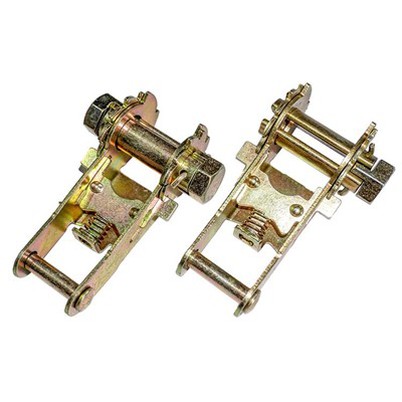
Can a Forged Hook be used in food processing industries?
Leave a message

In the dynamic landscape of food processing industries, the selection of equipment and tools is a critical decision that can significantly impact operational efficiency, safety, and product quality. As a reputable forged hook supplier, I am often asked whether forged hooks can be used in food processing environments. This blog post aims to explore this question in depth, considering various factors such as material suitability, regulatory compliance, and practical applications.
Material Suitability for Food Processing
The first and foremost consideration when using forged hooks in food processing is the material. Food processing environments demand materials that are not only strong and durable but also safe for contact with food products. Stainless steel is a popular choice for forged hooks in these industries due to its excellent corrosion resistance, hygiene properties, and compliance with food safety standards.
Stainless steel forged hooks are resistant to rust and corrosion, which is crucial in food processing facilities where they may be exposed to moisture, cleaning agents, and various food substances. This resistance ensures that the hooks maintain their structural integrity over time, reducing the risk of breakage and contamination. Additionally, stainless steel is non - porous, making it easy to clean and sanitize, which is essential for preventing the growth of bacteria and other microorganisms.
Other materials, such as carbon steel, may not be as suitable for direct contact with food. Carbon steel is prone to rust, which can contaminate food products and pose a health risk. However, carbon steel forged hooks can still be used in food processing industries in non - food contact applications, such as in the handling of equipment or in areas where there is no direct exposure to food.
Regulatory Compliance
Food processing industries are subject to strict regulations and standards to ensure the safety and quality of food products. When using forged hooks in these industries, it is essential to ensure that they comply with relevant regulations. In many countries, the use of equipment in food processing must meet standards set by organizations such as the Food and Drug Administration (FDA) in the United States or the European Food Safety Authority (EFSA) in Europe.
These standards typically cover aspects such as material safety, design, and construction. For example, forged hooks used in food processing must be made from materials that are approved for food contact, and they should be designed in a way that prevents the accumulation of food particles and debris. Suppliers of forged hooks should be able to provide documentation certifying that their products meet these regulatory requirements.
Practical Applications of Forged Hooks in Food Processing
Forged hooks have a wide range of practical applications in food processing industries. Here are some common examples:
1. Hanging and Suspending Food Products
In meat processing plants, forged hooks are often used to hang carcasses during the butchering and processing stages. Tow Hook can be used to securely attach the carcasses to overhead rails or conveyor systems, allowing for easy movement and processing. These hooks need to be strong enough to support the weight of the carcasses and resistant to the harsh conditions in the processing environment.
2. Equipment Handling
Forged hooks are also used in the handling of equipment in food processing facilities. For example, Snap Swivel J Hook can be used to attach and move heavy machinery, such as mixers, ovens, and refrigeration units. The swivel feature allows for easy adjustment and positioning of the equipment, improving operational efficiency.
3. Conveyor Systems
In food packaging and distribution centers, forged hooks are an integral part of conveyor systems. Single J Hook can be used to hang packaging materials, such as bags or boxes, on the conveyor belts, ensuring a smooth and continuous flow of products through the packaging process.
Advantages of Using Forged Hooks in Food Processing
There are several advantages to using forged hooks in food processing industries:
1. Strength and Durability
Forged hooks are known for their high strength and durability. They can withstand heavy loads and repeated use without deforming or breaking, which is essential in food processing environments where there is a high volume of material handling.
2. Customization
Forged hooks can be customized to meet the specific needs of food processing operations. They can be designed in different sizes, shapes, and configurations to fit various applications, such as different types of conveyor systems or equipment.
3. Hygiene
As mentioned earlier, stainless steel forged hooks are easy to clean and sanitize, which helps maintain a hygienic environment in food processing facilities. This is crucial for preventing the spread of foodborne illnesses and ensuring the safety of food products.
Challenges and Considerations
While forged hooks offer many benefits in food processing industries, there are also some challenges and considerations to keep in mind:
1. Cost
Stainless steel forged hooks can be more expensive than other types of hooks. However, the long - term benefits of using high - quality hooks, such as durability and compliance with regulations, often outweigh the initial cost.


2. Maintenance
Regular maintenance is required to ensure the continued performance and safety of forged hooks. This includes cleaning, inspection for wear and tear, and lubrication of moving parts (if applicable).
3. Compatibility
It is important to ensure that the forged hooks are compatible with other equipment and systems in the food processing facility. For example, the hooks should fit properly on conveyor rails or other attachment points to prevent accidents and ensure smooth operation.
Conclusion
In conclusion, forged hooks can be effectively used in food processing industries, provided that they are made from suitable materials, comply with relevant regulations, and are used in appropriate applications. Stainless steel forged hooks offer many advantages, including strength, durability, and hygiene, making them a popular choice for food processing operations.
If you are in the food processing industry and are considering using forged hooks in your operations, I encourage you to contact me to discuss your specific needs. I can provide you with high - quality forged hooks that meet your requirements and ensure the safety and efficiency of your food processing operations.
References
- "Food Safety Modernization Act (FSMA) - FDA." U.S. Food and Drug Administration.
- "General Food Law (EU) No 178/2002 - EFSA." European Food Safety Authority.