


Single J Hook
Forged Hook is the most common lifting appliance in hoisting machinery. The Forged Hook is often suspended on the steel wire rope of the hoisting mechanism with the help of pulley blocks and other components.
Description
Zelang Machinery: Your Professional Hook Manufacturer
Taizhou Zelang Machinery Co., Ltd. was established in 2004 and is located in Yuhuan, Taizhou, Zhejiang, Donghai City. Since its establishment, our company has been committed to the design, development, and manufacturing of traction tools and hydraulic tools. The main products include wire tighteners, twisters, hand pullers, hydraulic tool accessories, hoist accessories, agricultural machinery accessories, etc.

Our Advantages
Advanced Production Equipment
Our company is equipped with a 3000KV laser cutting machine, 640 CNC lathe, 160T punch press, vertical drill, broaching machine, and other advanced production and processing equipment to ensure the reliability and advancement of products.
Continuous Product Innovation
Our factory continuously upgrades technology, optimizes design, and actively cooperates with users in product design and production. Currently, we have obtained more than 80 patents.
Professional Technical Guidance
During the product manufacturing process, we will fully cooperate with the arrangements for drawing review, product supervision, inspection and acceptance, etc., so that all work before product delivery is orderly.
24-Hour Service
Our company promises to provide 7×24 hours service after the contract is signed. We will respond within 1 hour after receiving the message, provide solutions to general faults within 8 hours, and solve complex problems within 24 hours.

Strong and durable: Boat hooks are usually made of durable metal materials, such as strong steel or cast iron, to ensure that they can withstand large tension and weight, and have good durability, suitable for long-term use in harsh environments.

The Snap swivel J hook is an industrial accessory that combines the features of a quick-connect ring clasp and a J-hook. It has a quick connect and release function, is reliable and durable, is suitable for fixing and attaching various objects, and provides flexible angle adjustment.

The U-hook is a common lifting equipment accessory, commonly used to lift and hang heavy objects. The shape of the U-shaped hook is U-shaped, with curved ends and shaped like an open U. This design allows the U-hook to better wrap and secure heavy objects.

The shape of the S hook is an "S" shape, where one end is straighter and the other end is curved. This design allows the S-hook to better secure and attach heavy objects. S-hooks are usually made of high-strength alloy steel or other durable materials and are able to withstand large weights.

Simple structure: Single J hooks are usually made of a curved section of metal material shaped like the letter "J". The single J-hook design is reasonable and can withstand a large weight. According to the specific model and material, its carrying capacity can be different.

The double J hook is designed in a shape similar to the letter "J", with curved ends on both sides to form two hook-like structures. This design gives the double J-hook good grip and fixing ability. They can be used to secure and hang various objects such as wires, pipes, tools, equipment, etc.

Common Accessory Metal Flat J Hook materials are high-strength steel, alloy steel, stainless steel, cast steel, etc. The shape and size of the hook are determined according to different uses and models, and usually adopt customized processing methods.

Forged Hook is the most common lifting appliance in hoisting machinery. The Forged Hook is often suspended on the steel wire rope of the hoisting mechanism with the help of pulley blocks and other components.

The material of the tow hook is usually iron or stainless steel, after surface treatment, the appearance is more beautiful, and it will not rust and affect the use effect. It is usually connected to the tractor or towing equipment by bolting or welding, and the connection method is firm and reliable.

Introduction to Hooks
Hooks are designed for securing and lifting cargo during transportation. They are commonly used in various industries, including shipping, logistics, construction, and transportation. Cargo hooks come in different sizes, shapes, and configurations to accommodate different types of cargo and secure them effectively.
Eye Hook
Eye hooks are the most common choice. The circular connection allows for a permanent attachment and greater flexibility compared to a clevis hook. The downside, however, is that if the hook is damaged, the whole sling will have to be retired.
Clevis Hook
Designed with a clevis and bolt or pin at the base, clevis hooks offer a secure way to fasten the hook to a bracket or chain without being permanent. They do have less range of motion than the eye hooks but can be easily replaced.
Swivel Lifting Hook
Swivel hooks allow you to rotate the hook to simplify the loading process and prevent your chain or other rigging hardware from becoming twisted. Most are only designed to be rotated before you add the load and cannot be swiveled under load.
Grab Hook
Grab hooks are designed to "grab" to keep a chain from slipping off the hook. They have a narrow throat that is especially effective at holding chain.
Application of Hooks

Tow Hook
Vehicle Recovery
Tow hooks are essential for recovering vehicles that are stuck, stranded, or disabled. They provide a secure attachment point for connecting towing equipment, such as tow straps, chains, or cables. Tow hooks allow another vehicle or towing equipment to safely pull and recover the stuck or disabled vehicle.
Towing Trailers
Tow hooks are often used for towing trailers, such as utility trailers, boat trailers, or camper trailers. They provide a connection point for attaching the trailer hitch or coupler, allowing the towing vehicle to pull the trailer safely.
Off-Road Recovery
Off-road enthusiasts rely on tow hooks for recovering vehicles in challenging terrain. When a vehicle gets stuck or immobilized in mud, sand, or rough terrain, tow hooks provide a secure attachment point for winches, snatch straps, or other recovery equipment to pull the vehicle out.
Emergency Situations
Tow hooks are valuable in emergency situations when vehicles need to be quickly moved or towed. For example, in the event of a breakdown, accident, or vehicle obstruction, tow hooks allow emergency services or roadside assistance providers to safely tow or move the vehicle to a secure location.
S Hook
Hold Tools
S-Hooks can be used to hold tools in a workshop or construction site. By attaching them to a pegboard or wire rack, you save space by hanging tools like wrenches, screw drivers, and more. This also keeps your tools organized and easy to find, making it easier to work more efficiently.
Hold Wire Rope & Chain
For any loose chain, wire rope, cable, or other assemblies lying around, try hanging them up by your leftover S-Hooks. Simply hang them up by a wire rack, pegboard, or other means to keep
them out of the way.
Storage and Garage Organization
S hooks are ideal for creating efficient storage and organization solutions in garages, sheds, or warehouses. They can be used to hang and store bicycles, ladders, hoses, cords, power tools, and other equipment, keeping them off the floor and maximizing space.
Industrial and Manufacturing
S hooks find application in industrial and manufacturing settings. They can be used to hang and organize tools, hoses, cables, or other equipment. S hooks are also used in assembly lines or production processes for hanging and moving items along conveyor systems.


Forged Hook
Lifting and Rigging
Forged hooks are extensively used in lifting and rigging operations. They are commonly attached to chains, slings, or wire ropes to secure and lift heavy loads. Forged hooks provide a reliable and strong connection point, allowing for safe and efficient lifting in industries such as construction, manufacturing, mining, and offshore operations.
Cranes and Hoists
Forged hooks are an integral part of cranes and hoists. They are used for connecting the lifting equipment to the load being lifted. These hooks are designed to withstand high loads and provide a secure attachment point during material handling tasks.
Logging and Forestry
In the logging and forestry industry, forged hooks are used for various applications, such as attaching cables or chains to logs or trees during extraction or transportation. The strong and durable nature of forged hooks ensures the safe handling of heavy timber.
Towing and Recovery
Forged hooks find application in towing and recovery operations. They are commonly used as attachment points for chains, straps, or cables during vehicle recovery or towing situations. Forged hooks provide a secure connection that can withstand the forces involved in pulling or dragging heavy vehicles.
Swivel Snap Hooks
Industrial and Rigging Applications
Snap swivel hooks find application in industrial settings, particularly in rigging and lifting operations. They are often used to connect chains, slings, or cables to lifting hooks, hoists, or other lifting equipment. The swivel feature allows for flexibility and improved load distribution during lifting.
Sailing and Boating
Snap swivel hooks are commonly found in sailing and boating applications. They are used to connect lines, ropes, or rigging to sailboat sails, hardware, or anchor chains. The swivel design allows for smooth rotation and movement, reducing stress on the lines and enhancing maneuverability..

Materials of Hooks
Die Cast Zinc
Die-cast zinc is one of the most common types of material. It's non-toxic, reusable, and as a metal, it's stronger than plastic or other reinforced polymers. It also self-lubricates, which is vital for the bearing to continue working.
Aluminum
Aluminum is one of the premium materials for making hooks. As the snap is made of the material used in the aircraft industry, the loading capacity of the snap hooks can be more than 400 kg - Ideal for leisure and outdoor activities and just as suitable for extreme conditions. The snap is easily opened and closed with one hand.
Stainless Steel
Stainless Steel is highly resistant to all types of corrosion, making it ideal for outdoor use in all weather. It can endure many days of rain and high heat without losing any of its utility. It's slightly heavier but not that much more expensive as a material, allowing it to find plenty of applications.
Brass
Brass isn't as strong as steel or as versatile as zinc, but it is naturally stylish. Well-polished brass stands out as a different metal and is best used on hooks that might not serve a constant function. It's seen as fancier, which can match up with interior projects or low-impact usage.
Malleable Iron
Malleable iron is highly durable and tough, even in tiny degrees. It can make tiny but still very powerful hooks that stainless steel or die-cast zin would be hard to form in such small shapes. Malleable iron doesn't lose nearly as much tensile strength when reduced in size, making it ideal for heavier uses and more delicate applications.
Steel
Steel, just plain rough steel, is used for most industrial use. It doesn't need to be fancy or good-looking. It just needs to do its job holding and supporting the high weight that spun on an axis at will.
Factors to Consider Before Choosing a Hook
Consider the Load: Evaluate the weight, size, and shape of the load. Different lifting hooks have varying load capacities and are designed to handle specific types of loads.
Understand the Application: Consider the nature of the lifting operation. For example, a foundry hook is specifically designed for high-temperature environments, while a swivel hook is ideal for tasks involving rotation.
Evaluate Environmental Conditions: Take into account factors such as temperature, corrosion, and exposure to chemicals. Some hooks, like foundry hooks, are designed to withstand extreme environmental conditions.
Adhere to Safety Standards:Ensure that the selected lifting hook complies with industry safety standards and regulations. Safety should be the top priority in all lifting operations.
Consult with Experts:When in doubt, seek guidance from rigging professionals or consult with equipment manufacturers. Their expertise can help in making informed decisions based on the specific requirements of the lifting task.
Our Certificate
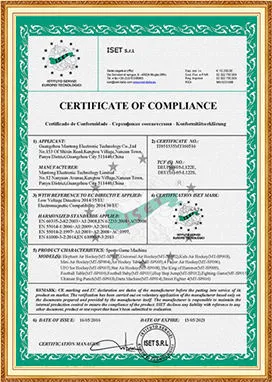
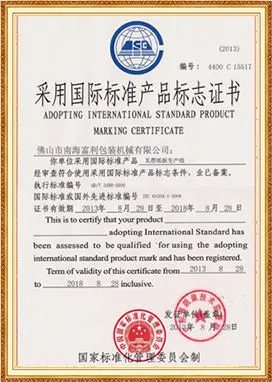
Our company has advanced technical equipment, rich manufacturing experience, and zero-defect production goals. We have currently obtained multiple certificates and the trust of users at home and abroad.


Ultimate FAQ Guide to Hooks
Q: What are the different types of sling hooks?
Q: What are the different types of hooks for cranes?
Q: What are eye hooks?
Q: What are tow hooks?
Q: Why do you need a tow hook?
Q: What are the safety tips for using tow hooks?
Q: What is the best hook for a ratchet strap?
Q: What are snap hooks?
Q: Do all cars come with a tow hook?
Q: What is the rear tow hook for?
Q: What industries can hooks be used in?
Q: Can hooks be used with webbing?
Q: What are rigging hooks used for?
Q: Which type of rigging hook is the most common?
Probably the most popular lifting hook type is an eye hook with a latch. The primary advantages of an eye hoist hook with a latch are strength and security. While eye hooks don't look like much, they have the capacity to lift up to 11 tons.
Q: When should a crane hook be replaced?
Hot Tags: single j hook, China single j hook manufacturers, suppliers, factory, Drag hook, U Hook, Boat Hook, S Hook, Forged Hook, Hook
Send Inquiry
You Might Also Like


